The footwear industry stands at a critical juncture. Traditional shoe manufacturing consumes vast amounts of fresh water, generates significant chemical waste that contaminates local ecosystems and contributes substantially to global carbon emissions through production and transportation. Yet consumers today are increasingly aware of these environmental costs, seeking alternatives that align with their personal values and environmental consciousness. Sustainable footwear represents more than just a passing trend, it reflects a fundamental shift in how we think about the products we wear daily and the impact those choices have on our planet.
The Environmental Cost of Conventional Shoe Production
Manufacturing a single pair of conventional leather shoes typically requires approximately 2,000 gallons of water, a staggering amount considering the billions of shoes produced annually worldwide. The tanning and dyeing processes involve numerous toxic chemicals that frequently leach into groundwater and local water sources, affecting communities near manufacturing facilities. The fashion and footwear industry collectively ranks among the top five polluters globally, competing with oil production and agriculture in terms of environmental damage. Beyond water consumption and chemical pollution, the carbon footprint of shipping footwear across continents, the use of synthetic materials derived from fossil fuels and the landfill waste generated when shoes reach end-of-life all contribute to environmental degradation. Understanding these interconnected impacts becomes the essential first step toward making more conscious and informed consumer choices. Allbirds has emerged as a prominent pioneer in directly addressing these very environmental concerns.
Innovation in Sustainable Materials
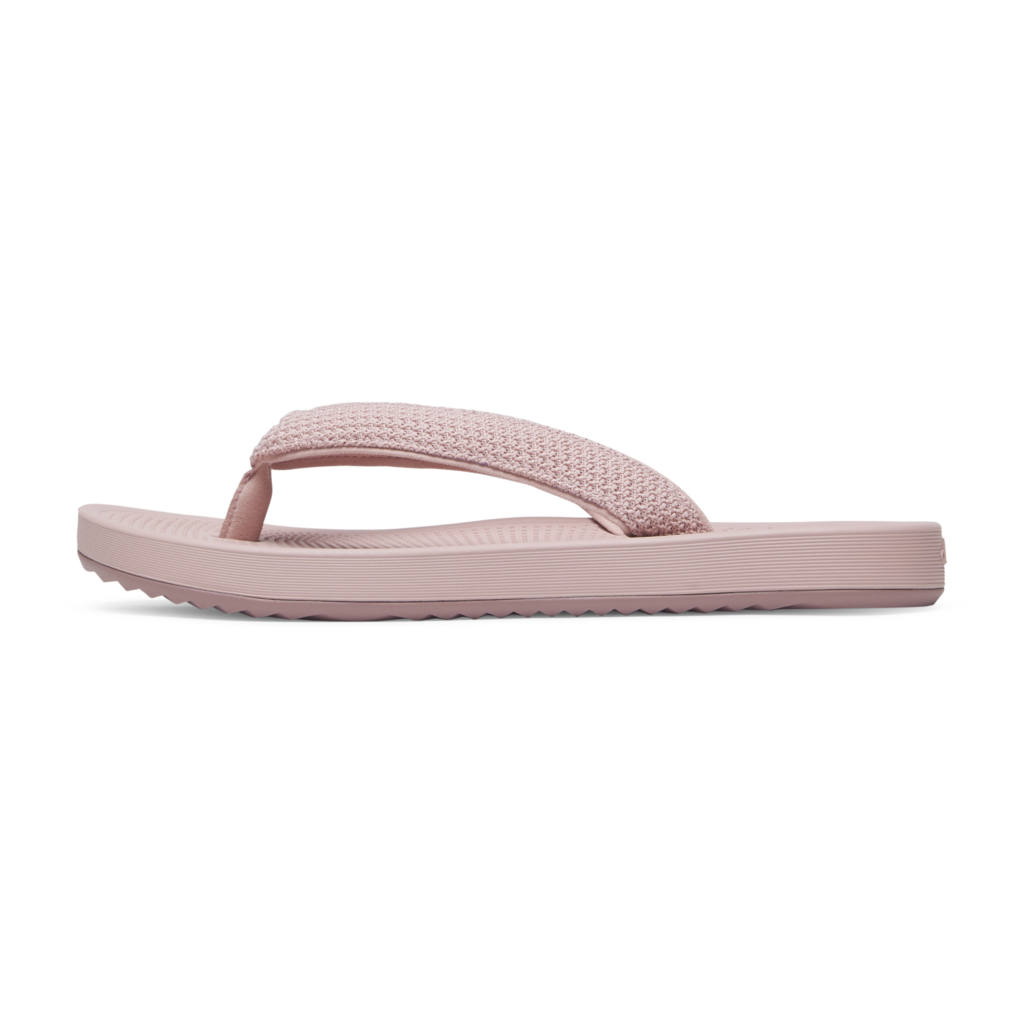
The development of eco-friendly footwear materials has accelerated dramatically in recent years, driven by both consumer demand and technological innovation. Plant-based alternatives like sugarcane-derived foam, ethically sourced wool from certified farms and tree fiber uppers now replace traditional petroleum-based synthetic materials that dominated the industry for decades. Allbirds has built its reputation on merino wool shoes that offer natural breathability, inherent temperature regulation and moisture-wicking properties without compromising on contemporary style or aesthetic appeal. Their proprietary wool sourcing protocols ensure ethical practices throughout the supply chain while maintaining the durability and comfort standards that customers rightfully expect from quality footwear. Tree fiber materials, particularly those made from sustainably harvested eucalyptus or other renewable forest resources, provide lighter-weight options ideal for warm climates and high-performance athletic applications.
Manufacturing Practices and Supply Chain Transparency
Creating truly sustainable footwear extends far beyond simply selecting better materials, it encompasses the entire manufacturing process from raw material sourcing through final production. Responsible manufacturers implement advanced water reduction technologies, eliminate toxic chemical dyes in favor of natural alternatives and enforce fair labor practices throughout their complex supply chains. Allbirds maintains exemplary transparency by publishing detailed information about its manufacturing locations, worker conditions and comprehensive environmental certifications. Many leading sustainable brands now track and publicly report their carbon emissions data across entire product lifecycles, allowing consumers to understand the true environmental impact of their specific purchases. Supply chain transparency builds trust with consumers and creates competitive incentives that encourage other manufacturers to adopt similar responsible practices.
Style and Comfort Without Compromise
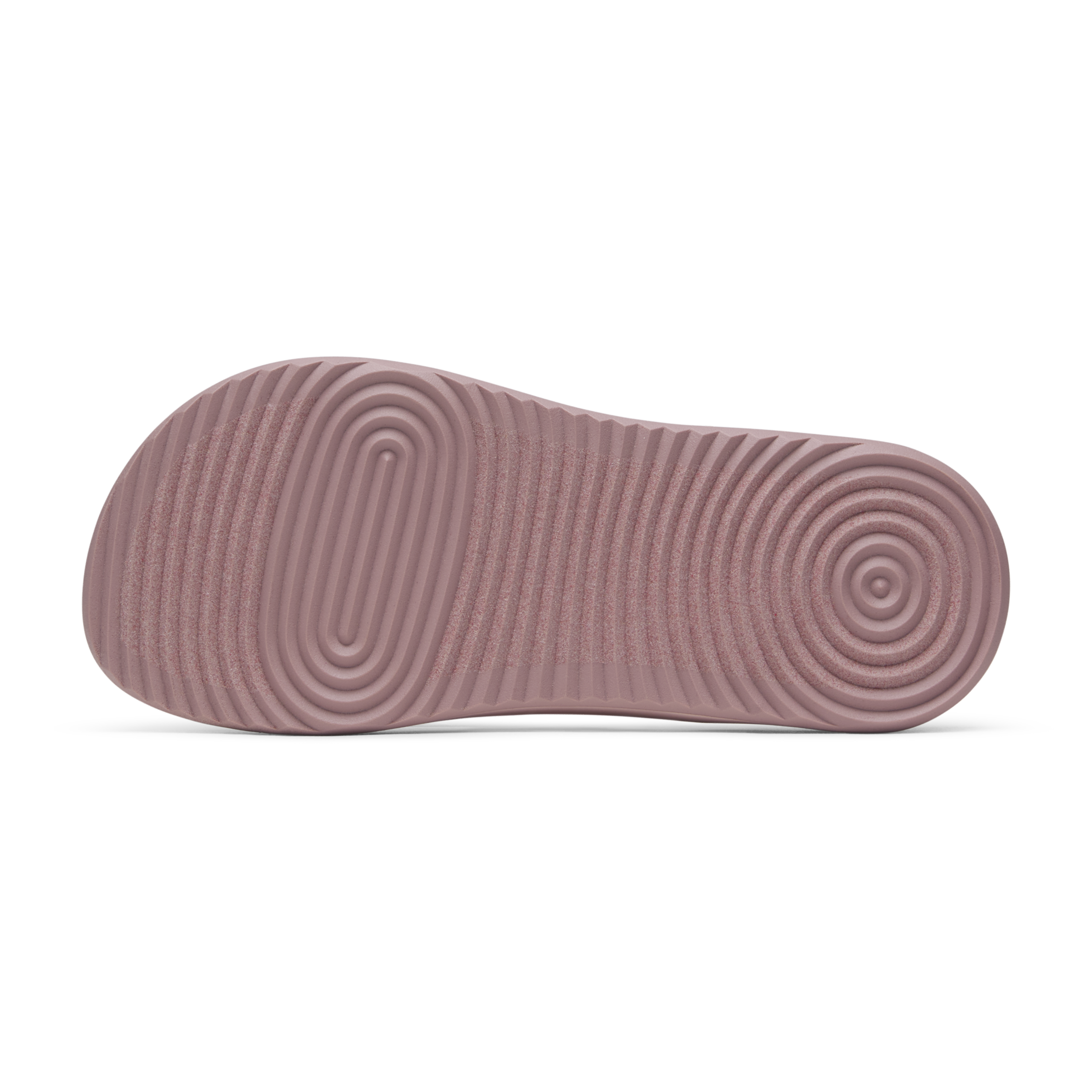
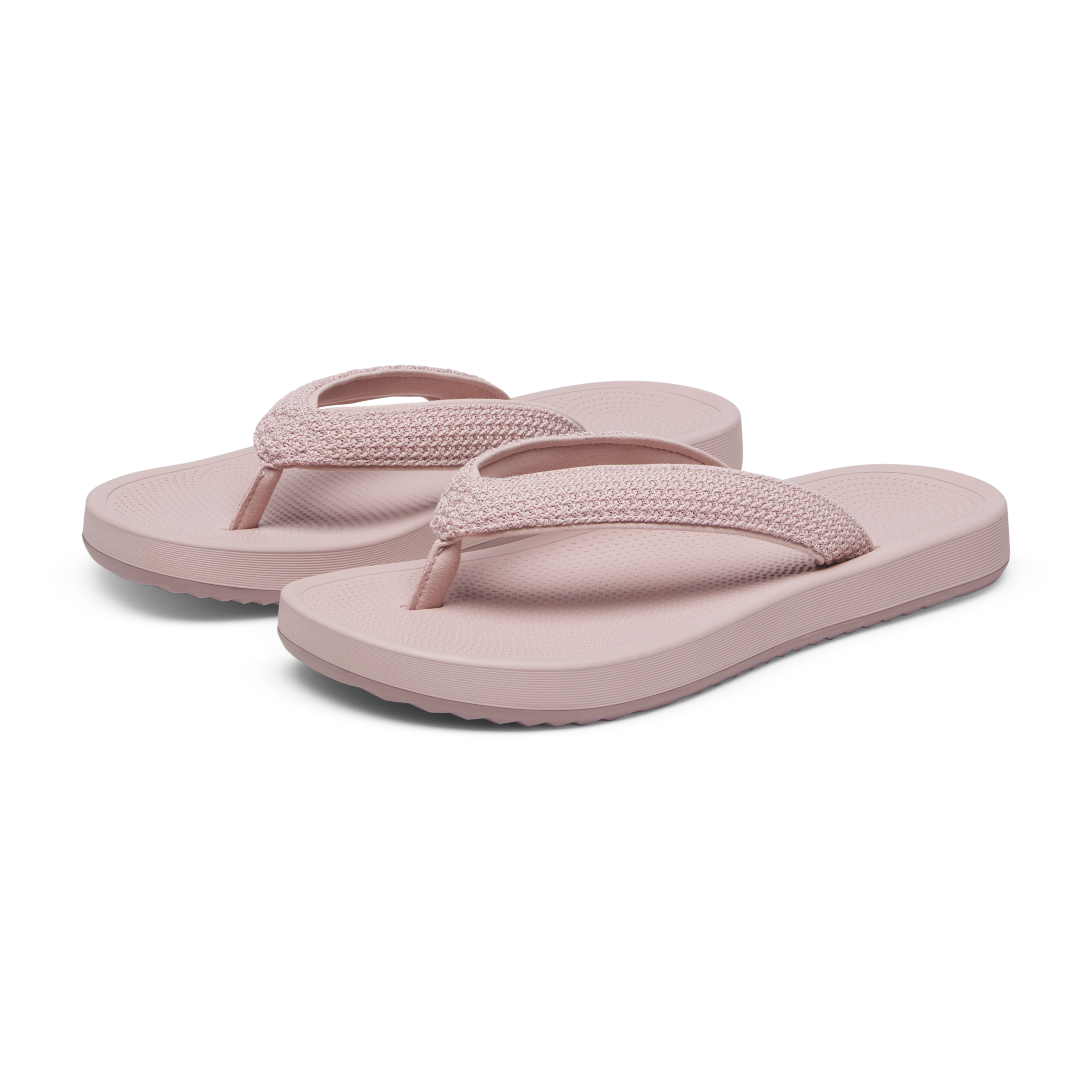
A common misconception has long suggested that sustainable footwear necessarily sacrifices style, comfort or performance for environmental responsibility. Contemporary eco-friendly brands have thoroughly shattered this persistent myth. Modern sustainable shoes deliver the same aesthetic appeal, comfort characteristics and performance capabilities as conventional options, with the significant added benefit of cleaner production methods that reduce environmental harm. Allbirds exemplifies this perfectly with its extensive range of colors, textures and silhouettes that appeal to diverse fashion preferences and lifestyle needs. From minimalist casual sneakers to office-ready loafers and travel-appropriate designs, sustainable options now exist across virtually every footwear category.
Durability and Longevity as Sustainability
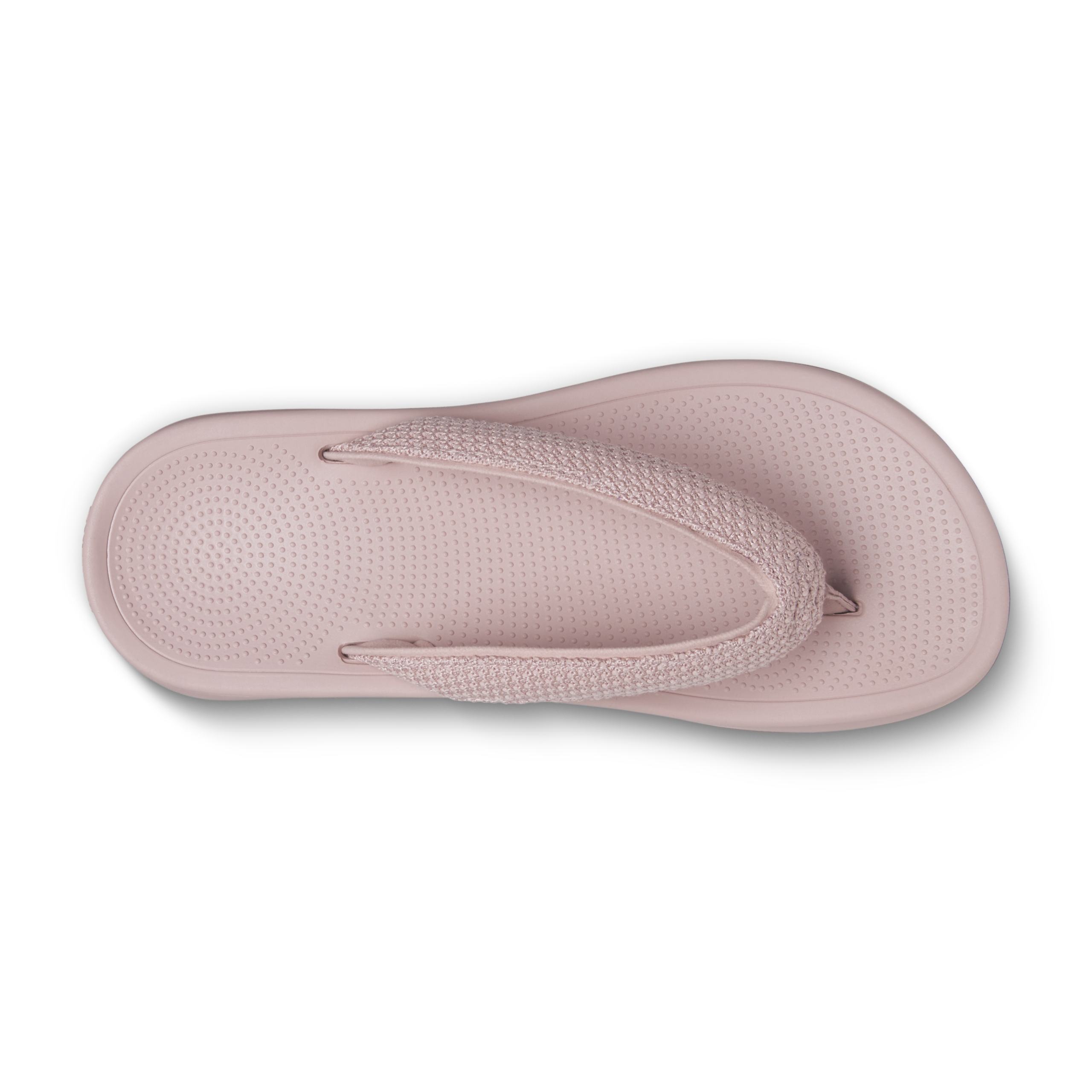
True sustainability encompasses the entire lifecycle of a product, not merely the manufacturing stage. Well-constructed shoes that remain comfortable and structurally sound for five or more years ultimately prove significantly more environmentally friendly than cheaper alternatives requiring frequent replacement. Premium sustainable brands intentionally invest in superior craftsmanship, quality materials and construction methods specifically chosen for maximum longevity and durability. Repair and maintenance services offered by many eco-conscious manufacturers extend shoe life considerably further, reducing waste and minimizing the need for costly replacements. This philosophical approach represents a meaningful shift away from disposable consumer culture toward more thoughtful, intentional purchasing habits grounded in long-term value.
The Financial Perspective and Long-Term Value
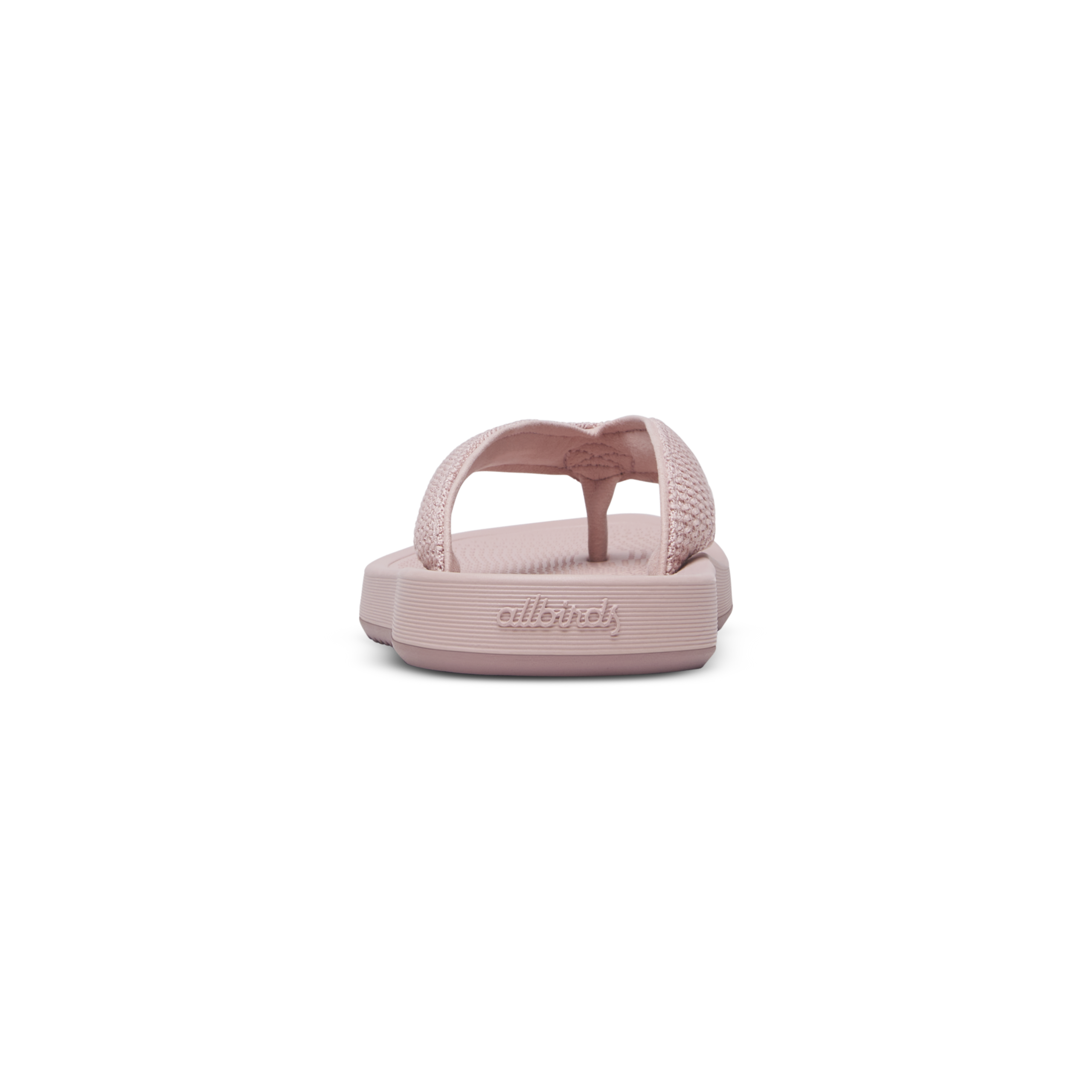
While sustainable footwear often carries a higher upfront purchase price compared to mass-produced alternatives manufactured in countries with minimal labor protections, the financial calculus changes significantly when considering durability and total cost of ownership over years. Shoes that remain comfortable and structurally sound for extended periods represent substantially better value than cheaper options requiring annual replacement cycles. Allbirds pricing reflects the ethical sourcing standards, fair labor wages and superior manufacturing standards embedded throughout each pair. Additionally, growing competition within the sustainable footwear market continues to drive prices downward, making eco-friendly options increasingly accessible to broader consumer segments and demographics.
- Merino wool naturally regulates temperature and moisture, keeping feet comfortable across all seasons and weather conditions
- Plant-based materials effectively reduce reliance on petroleum-based synthetics and fossil fuel extraction
- Transparent manufacturing practices ensure ethical labor standards and fair worker compensation
- Durable construction designed for longevity minimizes replacement frequency and cumulative environmental impact
- Diverse style options and silhouettes make sustainable choices accessible for any occasion or lifestyle need
The sustainable footwear movement represents both an environmental necessity and an opportunity for conscious consumers to align their purchases with their environmental values. As innovation accelerates and competition increases market growth, the accessibility and appeal of eco-friendly options will only strengthen.