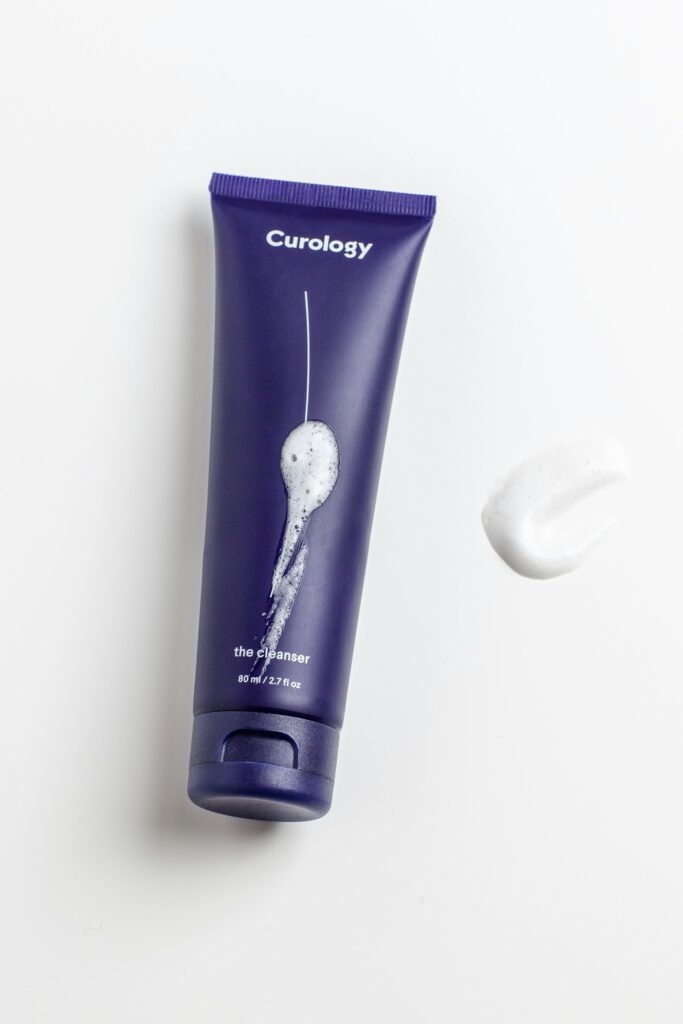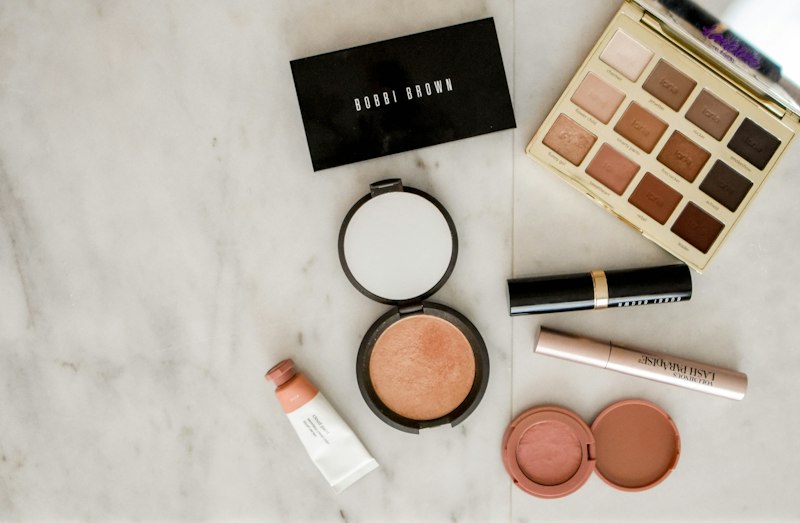
Solid balms, clean alcohol-free perfume mists, and essential oil blends that linger softly throughout the day.
The Wise Corner Daily desk spent several weeks of field notes, reader interviews, and controlled trials behind The Non-Toxic Fragrance Audit: Choosing Subtle Scents That Don’t Overwhelm. What follows is not a trend report. It is the protocol that survived contact with ordinary Tuesdays.
What actually holds under real conditions
Most advice on this subject collapses the moment a calendar fills, a climate shifts, or a product claim meets six weeks of honest use. Our specialists ran repeated trials, kept analog logs, and discarded anything that required superhuman consistency. The remaining practices are small, sensory, and durable.
Solid balms, clean alcohol-free perfume mists, and essential oil blends that linger softly throughout the day. Begin with one change for fourteen days before adding another variable.
“Calm is not the absence of external complexity; it is the deliberate refusal to surrender attention to other people’s priorities.”— Wise Corner Editorial Team
How to begin without overhauling everything
Replace the fantasy of a complete reset with a single high-leverage habit. Track it on paper. Notice friction. Adjust the environment rather than lecturing yourself.
- Lower the activation energy: tools visible, notifications off, materials already in reach.
- Keep a two-line log: what you did, and how it felt three hours later.
- Protect one unhurried block: even twelve quiet minutes compound.
The quiet test
After a month, ask whether the practice still feels like a gift rather than a performance. If it does, keep it. If it does not, the method—not your character—needs editing. That is the standard we apply to every recommendation published under this title.
Wise Corner Daily will continue auditing the non-toxic fragrance audit: choosing subtle scents that don’t overwhelm as seasonal conditions change. Write to the desk with field notes of your own; the best corrections in this publication have always come from readers who tested the work in real rooms, trains, kitchens, and commutes.