Used bicycles carry a reputation problem, much of it built on outdated assumptions about wear, safety, and resale quality. Many shoppers hesitate because they picture a bike with unknown damage or a worn drivetrain hiding beneath fresh paint. A closer look at used bikes certified inspection standards, like the ones The Pros Closet applies to every bike it sells, shows how those fears are mostly misplaced.
The Myth That Used Bikes Are Structurally Unreliable
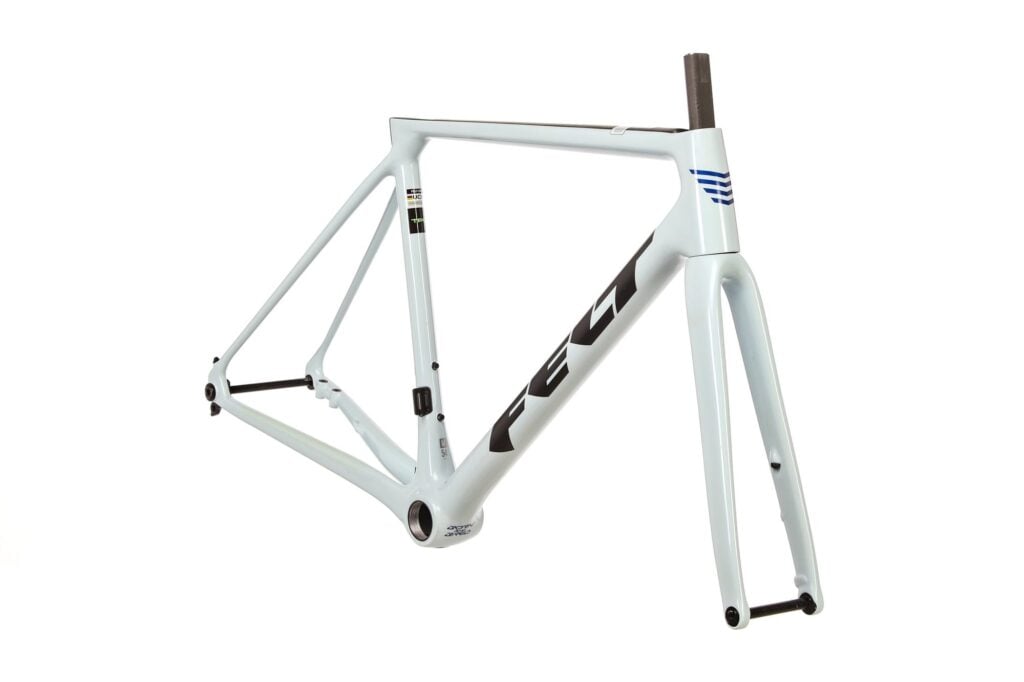
A common belief holds that any used frame is a gamble, liable to crack or fail without warning. That assumption ignores how differently a certified bike is evaluated compared to one bought from an anonymous seller. The Pros Closet puts every frame through a structured review before it reaches a shopping page, rather than relying on a seller’s word alone.
This matters because the biggest risk in buying secondhand is not age, it is the absence of any verification step. A bike that passes inspection has already been checked for the kind of damage that would otherwise go unnoticed. That shifts the real question from “is it used” to “was it checked properly.”
Why Frame Materials, Carbon, Aluminum, Steel, and Titanium, Hold Up Differently in Used Bikes
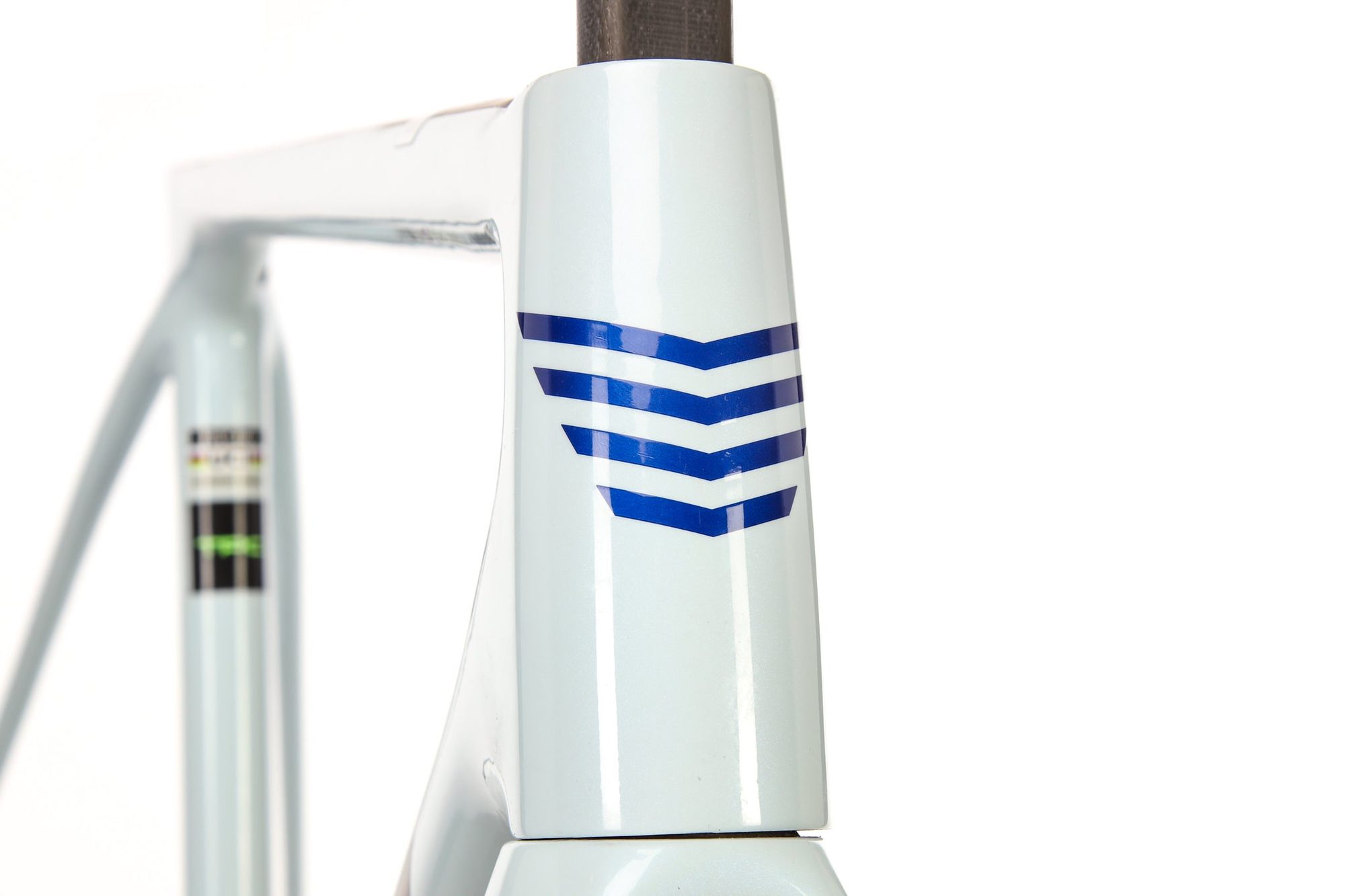
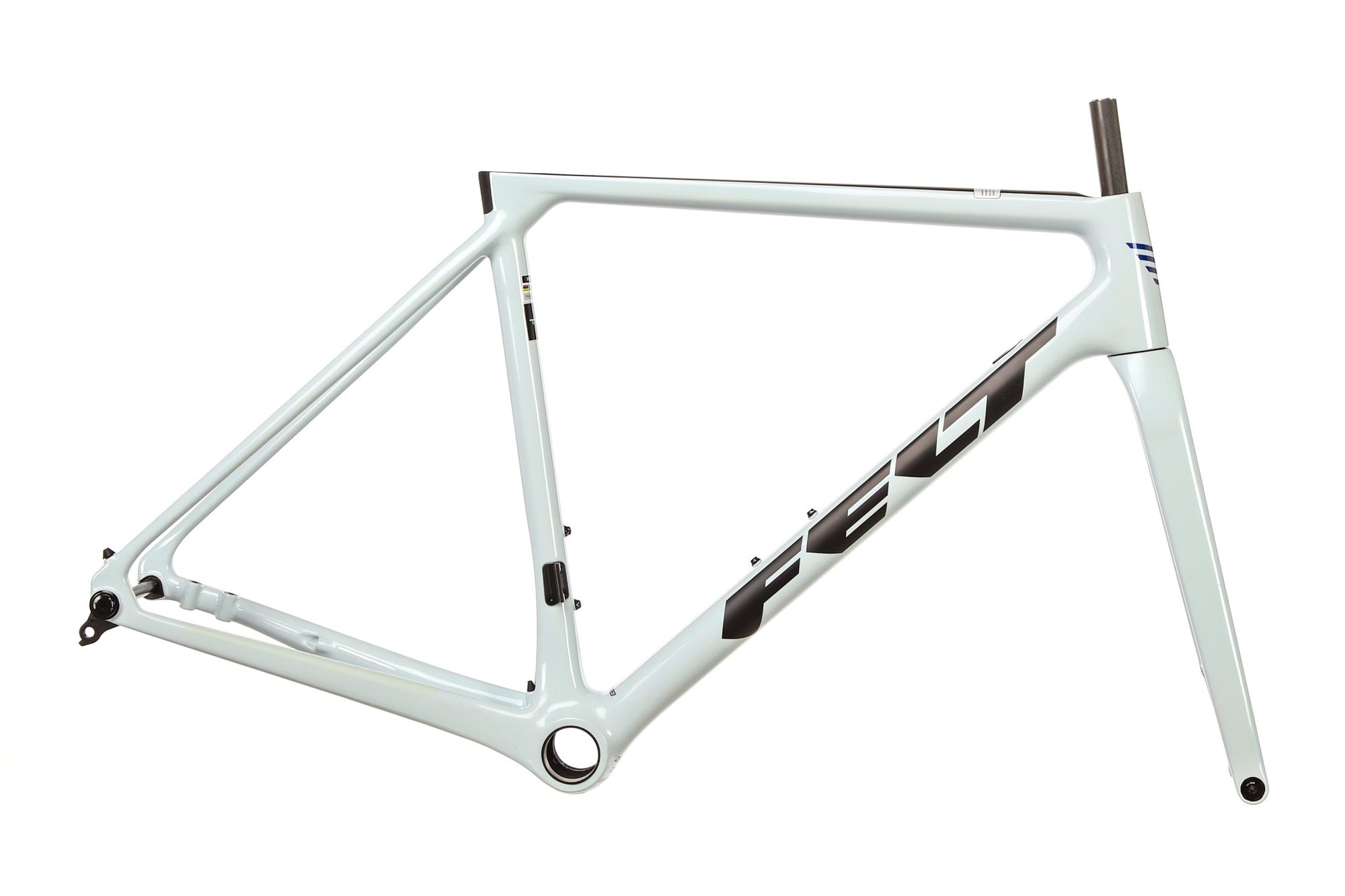
Carbon, aluminum, steel, and titanium each respond to stress and age in their own way, and a competent inspection accounts for those differences. Carbon frames need checks for impact damage that might not show on the surface. Aluminum and steel are generally more tolerant of cosmetic wear but can still develop fatigue at welds over time, while titanium is prized for resisting corrosion.
The Pros Closet lists bikes and frames across all four materials, including dedicated categories for carbon frames, aluminum frames, steel frames, and titanium bikes from brands such as Moots and Lynskey. Sorting inventory this way lets a shopper compare material-specific options directly rather than guessing at what a generic “used bike” listing might contain.
The Pro’s Closet’s Multi-Point Inspection Process Explained
Every bike and frame listed goes through a multi-point inspection before it is certified and vetted for sale. This process is the foundation of the brand’s certified pre-owned program, covering bikes, frames, and wheels alike. Rather than a cosmetic glance, it is built to catch the kinds of issues a casual buyer would miss entirely.
Because the inspection applies across categories, road, mountain, gravel, and e-bikes are all held to the same standard before listing. That consistency is part of what used bikes certified inspection means in practice, a repeatable check rather than a one-off glance.
- Frame and fork surfaces are examined for cracks, dents, or impact marks that could compromise the structure.
- Wheels and tires are checked for trueness, tread wear, and tubeless sealant condition where applicable.
- Drivetrain components, including derailleurs and cranksets, are tested for smooth shifting and wear patterns.
- Brakes are verified for consistent stopping performance before a bike is cleared for listing.
- Suspension forks and rear shocks, where present, are inspected for proper function and seal condition.
- Cockpit parts such as stems, handlebars, and headsets are checked for looseness or hidden damage.
Common Concerns About Used Components and Drivetrains
Drivetrains draw a lot of skepticism because chains, cassettes, and derailleurs are the parts that visibly wear with mileage. Shoppers often assume a used drivetrain means an imminent repair bill. The Pros Closet‘s component categories, covering SRAM and Shimano among other brands, are inspected as part of the same certification process applied to complete bikes.
This extends to wheels and tires as well, since The Pros Closet separately lists used bike wheels alongside new ones, sorted by material and size including 29 inch, 27.5 inch, and 700c options. Listing used and new components side by side gives a clearer sense of what condition a given wheelset is actually in, rather than leaving it to guesswork.
Why Certified Pre-Owned Mountain Bikes, Road Bikes, and Gravel Bikes Outperform Cheap New Alternatives
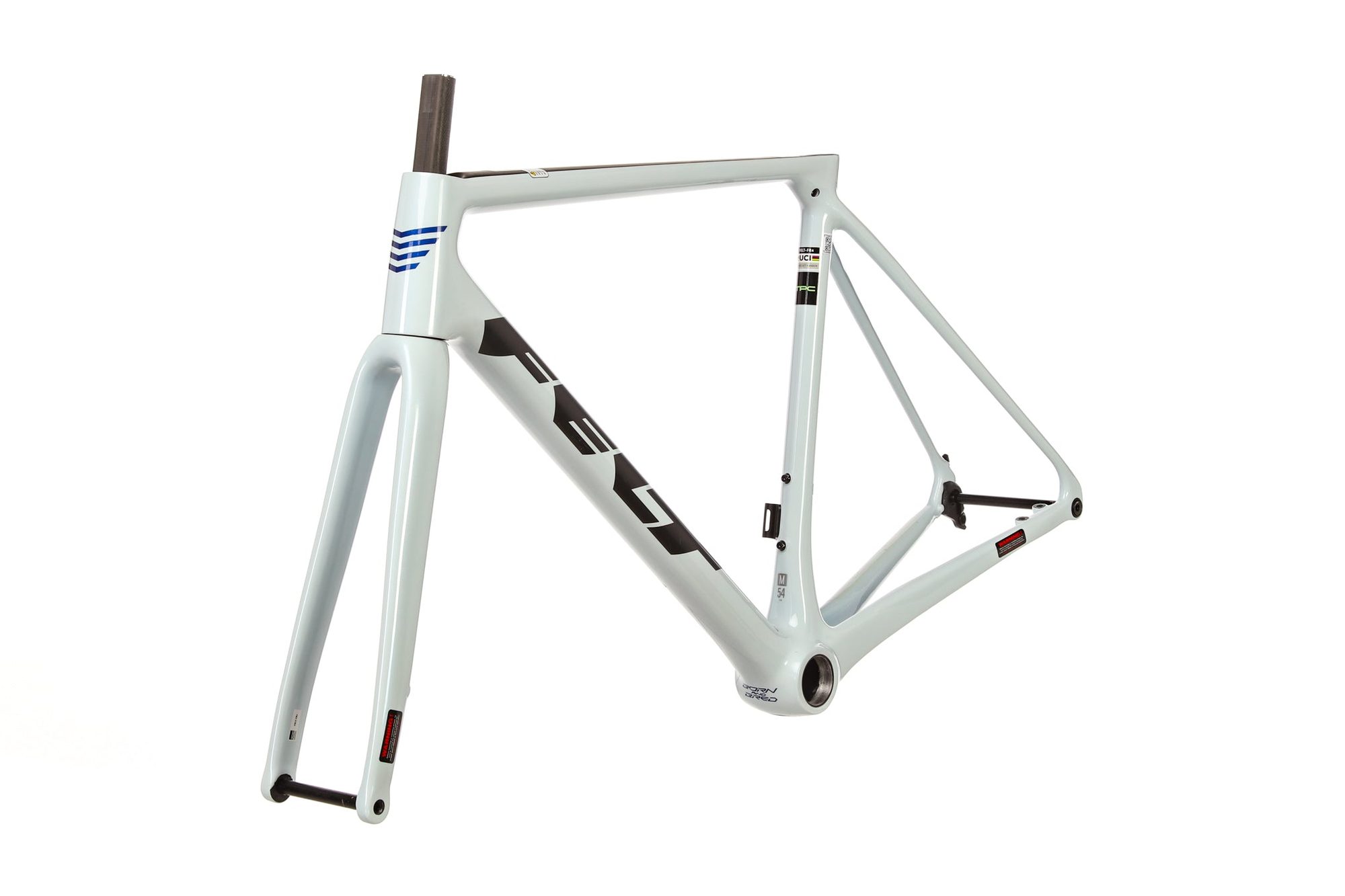
A new bike at a low price point often comes with compromises in componentry that a certified pre-owned bike from a known brand does not carry. The Pros Closet‘s road bike section highlights professionally inspected used endurance road bikes with fast shipping and a 30-day return window. The mountain bike category spans hardtails and full-suspension builds from size XS through XXL, drawing from brands such as Specialized, Trek, and Yeti.
Gravel and cyclocross listings round out the range, giving shoppers access to higher-end builds, including bikes from Ibis, 3T, and Cervélo, that would otherwise sit outside a typical new-bike budget. Because these bikes already carry certification, the usual hesitation around buying secondhand carries less weight. The brand’s quality assurance program is what ties these categories together under one standard.
Understanding the Difference Between Heavily Used and Gently Ridden Bikes
Not every used bike has seen the same kind of life, and that distinction matters more than the word “used” suggests. A bike ridden gently on pavement wears differently than one pushed hard on rocky singletrack. The Pros Closet separates listings by category and condition markers, and its mountain bike pages reference a Ride Guide meant to help answer questions about a given bike’s history and fit.
Rare finds and pro builds are called out as their own categories too, which signals that not all inventory sits in the same condition bracket. This kind of sorting gives a shopper more context than a flat “used bike” label ever could. It also reinforces why a used bikes certified inspection standard matters more than the simple fact of prior ownership.
Buying secondhand no longer has to mean buying uncertainty. With consistent inspection standards applied across road, mountain, gravel, and e-bike categories, a used bike can be a confident choice rather than a risky one.