Barefoot shoes have moved from a niche running trend into a recognizable category of footwear, built on the idea that feet work best when left alone to move naturally. Instead of thick cushioning and rigid arch support, this style of shoe strips construction back to something closer to walking unshod. Vivobarefoot Ltd is one of the established names working inside this space, offering a range that spans everyday boots to expedition-ready hiking footwear.
What Are Shoes and Minimalist Footwear
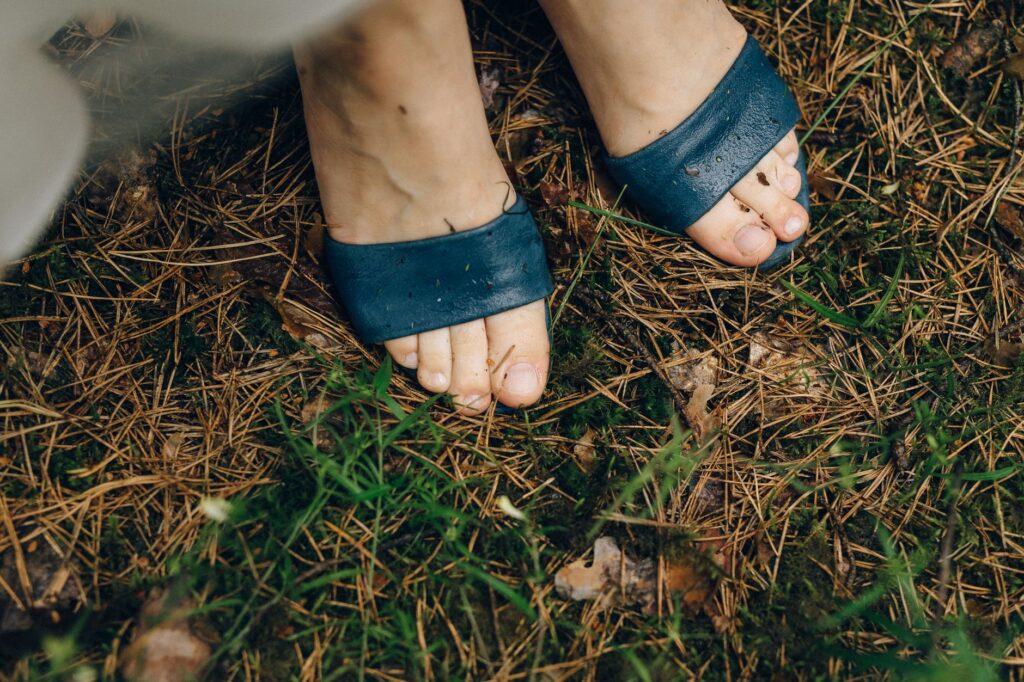
Barefoot shoes are built around a simple premise, that the sole and upper should interfere as little as possible with how a foot naturally moves. Minimalist footwear removes elevated heels, thick padding, and stiff shanks that typically shape conventional shoes. As a result, the shoe sits closer to the ground and lets the foot flex the way it would without any footwear at all.
This category sits apart from standard athletic or dress shoes, which often prioritize cushioning, arch support, and structured shaping. Shoes instead focus on space and freedom of movement. Vivobarefoot Ltd positions its entire range within this definition, describing its shoes as designed to be as close to barefoot as possible.
The Core Design Principles Behind Barefoot Shoes
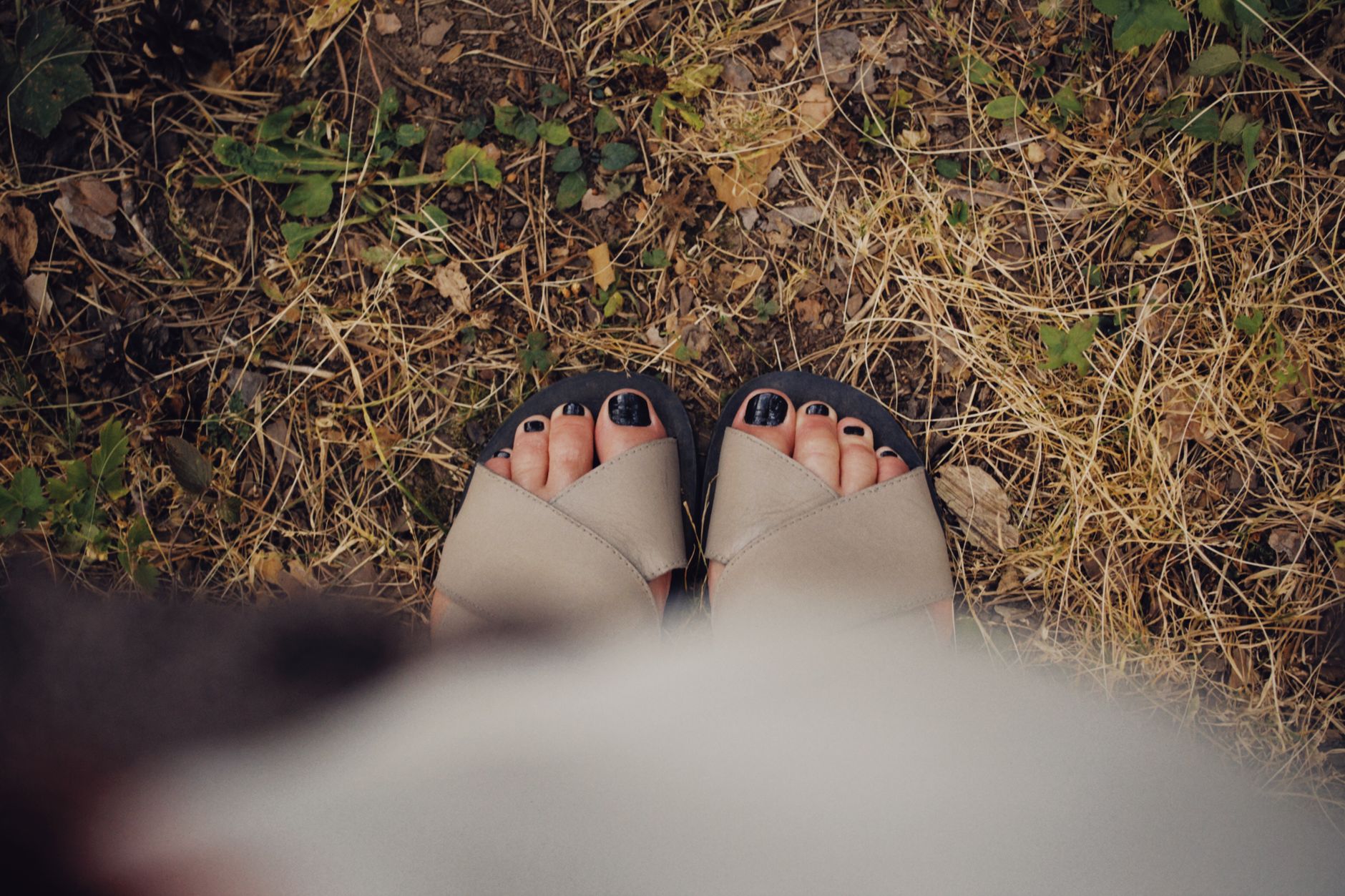
Three principles tend to define minimalist footwear, namely width, thinness, and flexibility. A wide design allows toes to spread rather than being pressed together by a narrow toe box. A thin sole reduces the distance between the foot and the ground, while flexibility allows the shoe to bend along with the foot’s natural motion.
These principles apply across categories, from casual slip-ons to outdoor hiking boots. That underlying logic connects shoes across different brands and uses, rather than any single signature material or shape. It also explains why minimalist footwear looks so different from a traditional cushioned trainer or a stiff leather dress shoe.
Vivobarefoot’s Approach to Wide, Thin, and Flexible Construction
Vivobarefoot Ltd describes its shoes directly in these terms, stating that they are designed to be wide, thin, and flexible, so the foot can move on its own terms. This description runs consistently across the range, from everyday shoes to outdoor boots.
Some of the boots are also described using material claims tied to a specific product, such as a jungle-ready expedition boot noted as 98% natural and 100% vegan. These figures are attached to that particular boot rather than the wider catalogue. Elsewhere, the offerings are grouped into categories such as everyday and work footwear, outdoor and hiking styles, and dedicated training shoes.
The Sensus Chelsea and Gobi Boot II: Everyday Barefoot Options
Among the everyday and work-oriented styles sit the Sensus Chelsea and the Gobi Boot II, both offered in men’s and women’s versions. The Sensus Chelsea is described as a slip-on style, positioned as a barefoot statement for daily wear. It fits within the everyday and work category rather than being marketed as a technical outdoor shoe.
The Gobi Boot II is described as a classic leather boot built for natural movement, also sitting in the everyday and work grouping. Both styles carry the same wide, thin, and flexible construction described elsewhere in the range. That shared construction ties these two everyday options back to the broader minimalist design approach found across the catalogue from Vivobarefoot Ltd.
The Tracker Pioneer and Tracker Winter III: Adventure-Ready Barefoot Boots
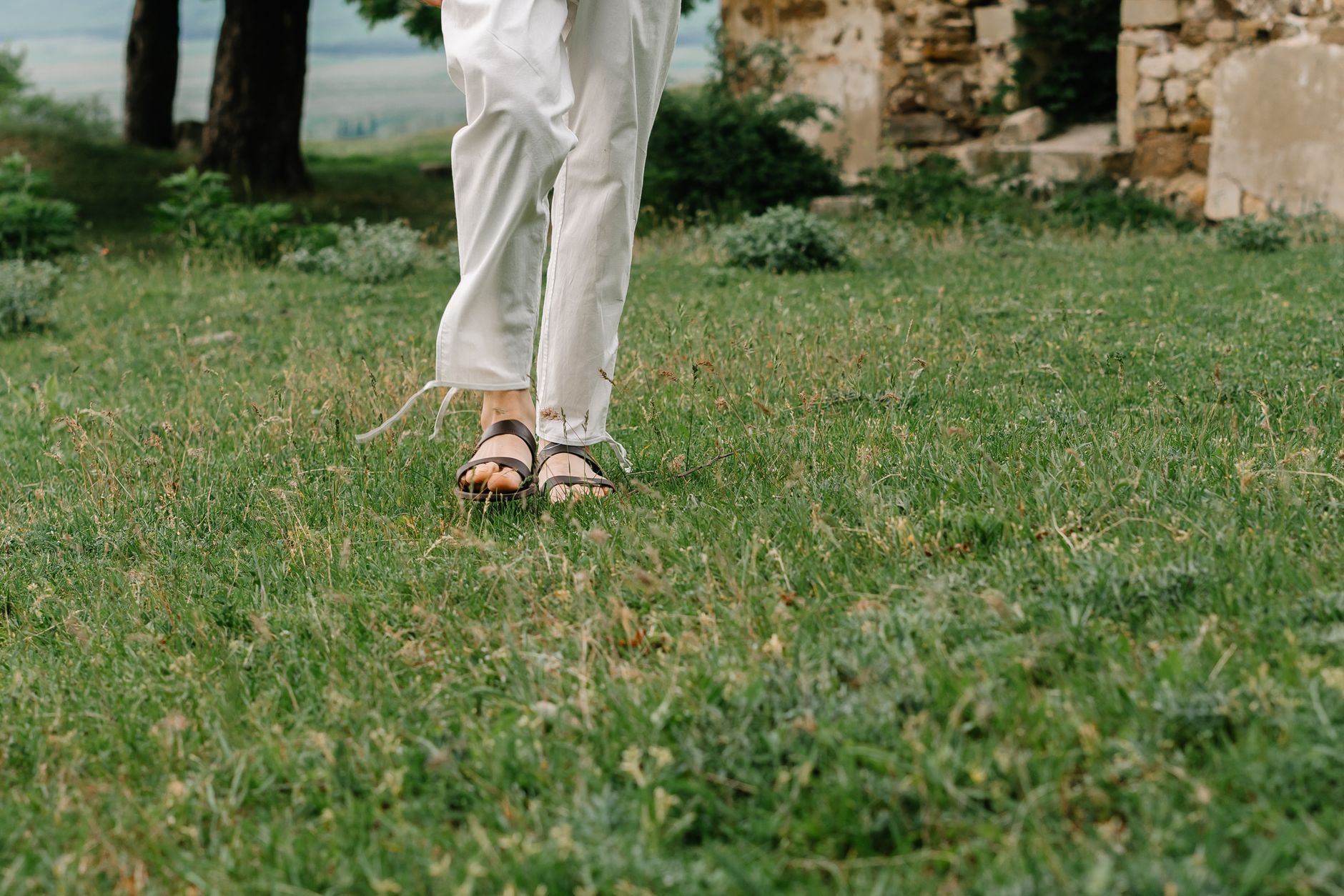
Moving into outdoor and hiking territory, the Tracker Pioneer Boot Waterproof is listed under outdoor lifestyle, hiking, expedition, and adventure travel use. It is described as offering waterproofing and insulation without the bulk typically associated with winter or expedition boots. This boot is available in both men’s and women’s versions.
The Tracker Winter III SG sits in the hiking and outdoor lifestyle grouping as well, described as a winter hiking boot that keeps the wearer connected. Both Tracker models extend the same minimalist construction principles into more demanding outdoor conditions. That pairing of rugged use and thin, flexible soles is part of what distinguishes these boots within the wider outdoor footwear market, as presented by Vivobarefoot Ltd.
Natural Movement and Foot Strength in Barefoot Footwear
Across its range, Vivobarefoot Ltd repeats a consistent claim, that its construction is meant to promote the foot’s natural strength and movement. This phrasing appears both for everyday shoes like the Sensus Chelsea and for adventure-focused boots like the Tracker Pioneer. The products are organized by use case, such as everyday, work, hiking, and expedition wear, rather than by any ranked structure.
Training-focused products are also listed, including a line referred to as Motus Flex, alongside an associated online course on movement. This points to an interest in barefoot shoes that extends beyond footwear design into movement-related training. Minimalist footwear and movement training are often discussed together within this wider category.
- Shoes typically use a wide toe box that lets toes spread rather than being pressed together.
- Soles are kept thin to reduce the distance between the foot and the ground compared with conventional footwear.
- Flexible construction allows the shoe to bend along with the foot’s natural motion rather than restricting it.
- Minimalist shoes generally avoid the elevated heels found in standard athletic and dress shoes.
- Some minimalist boots combine this construction with waterproofing or insulation built for outdoor use.
Barefoot shoes continue to carve out a distinct corner of the footwear market, built on width, thinness, and flexibility rather than added structure.