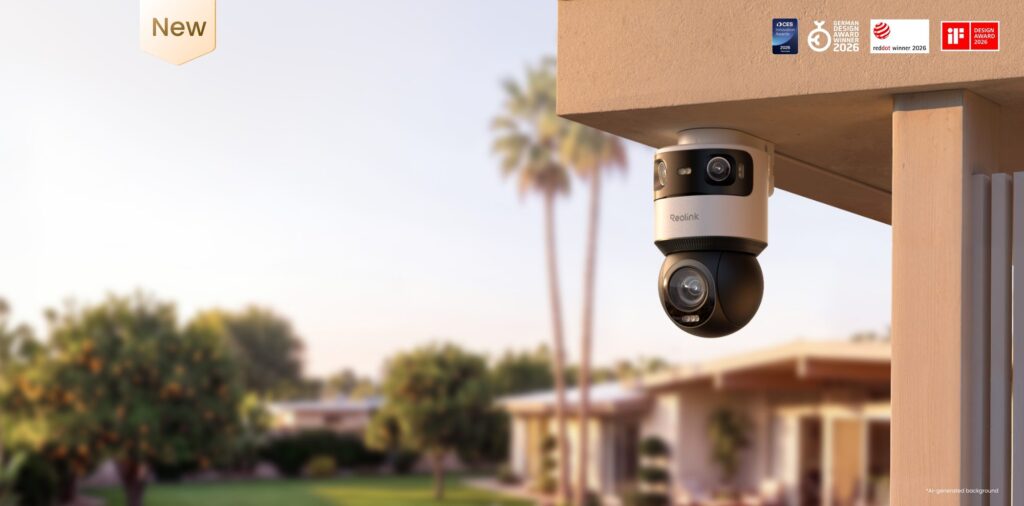
Choosing between wired and wireless surveillance often comes down to one decision that shapes everything else about a setup. The PoE vs battery security cameras question touches installation effort, recording habits, and long-term upkeep. Reolink Digital Technology produces both types of systems, giving a useful reference point for comparing how each power approach actually performs in practice.
Understanding PoE and Battery Power Architectures
Power over Ethernet, or PoE, sends both electricity and data through a single cable connected to a router or a dedicated switch. Battery-powered cameras, by contrast, run on an internal rechargeable cell and communicate over Wi-Fi or cellular networks. These two architectures sit at the center of most PoE vs battery security cameras comparisons, since the power source influences almost every other design choice that follows.
Reolink Digital Technology sells camera lines built around each architecture. The OMVI X16 PoE and the Duo 3 PoE represent the wired side, while the Altas PT Ultra and the Go PT Ultra sit on the battery side. Each line is engineered around its power method rather than treating it as an afterthought.
PoE IP Cameras: Continuous Power and Wired Installation
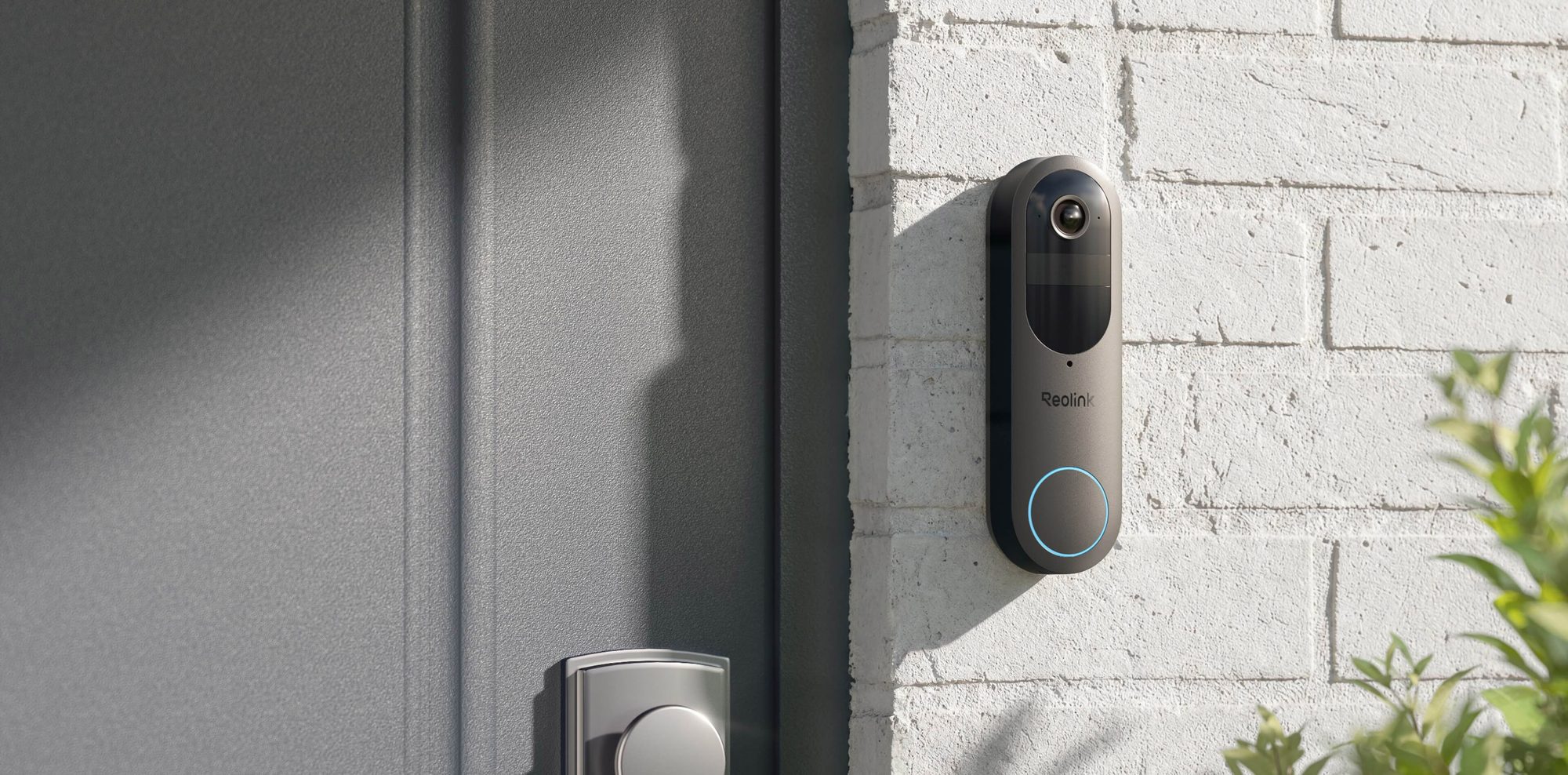
PoE cameras draw steady, unlimited power through the Ethernet cable, which means they never need recharging, battery swaps, or a pause in recording to conserve a cell. The RLK8-800TM4 system, a 4K dual-lens PoE kit from Reolink Digital Technology, exemplifies this always-on approach with its auto-zoom tracking feature running continuously rather than waking up only on demand.
Installation does require running cable to each camera position, which can mean drilling through walls or routing lines along eaves. That extra labor is the trade-off for a connection that will not interrupt footage during long recording stretches. For a fixed installation, such as a business entrance, the wired route tends to suit a camera that must stay active without supervision.
Battery Security Cameras: Wireless Flexibility and Independent Placement
Battery-powered cameras skip the cable entirely, so placement depends only on where a signal reaches, not where a wire can be routed. The Argus PT Ultra and the Go Ranger PT, both from Reolink Digital Technology, can be mounted in spots a wired camera could never reach, such as a detached shed or a gate post far from any outlet.
This flexibility carries a maintenance cost of its own, since batteries eventually need recharging or replacing. The Go PT Ultra addresses this with a stated battery life of up to 180 days, while the Altas PT Ultra is built around a long-lasting battery as well. These figures matter in any serious PoE vs battery security cameras discussion, because they define how often a household or business actually has to intervene.
Continuous Recording vs. Motion-Triggered Recording
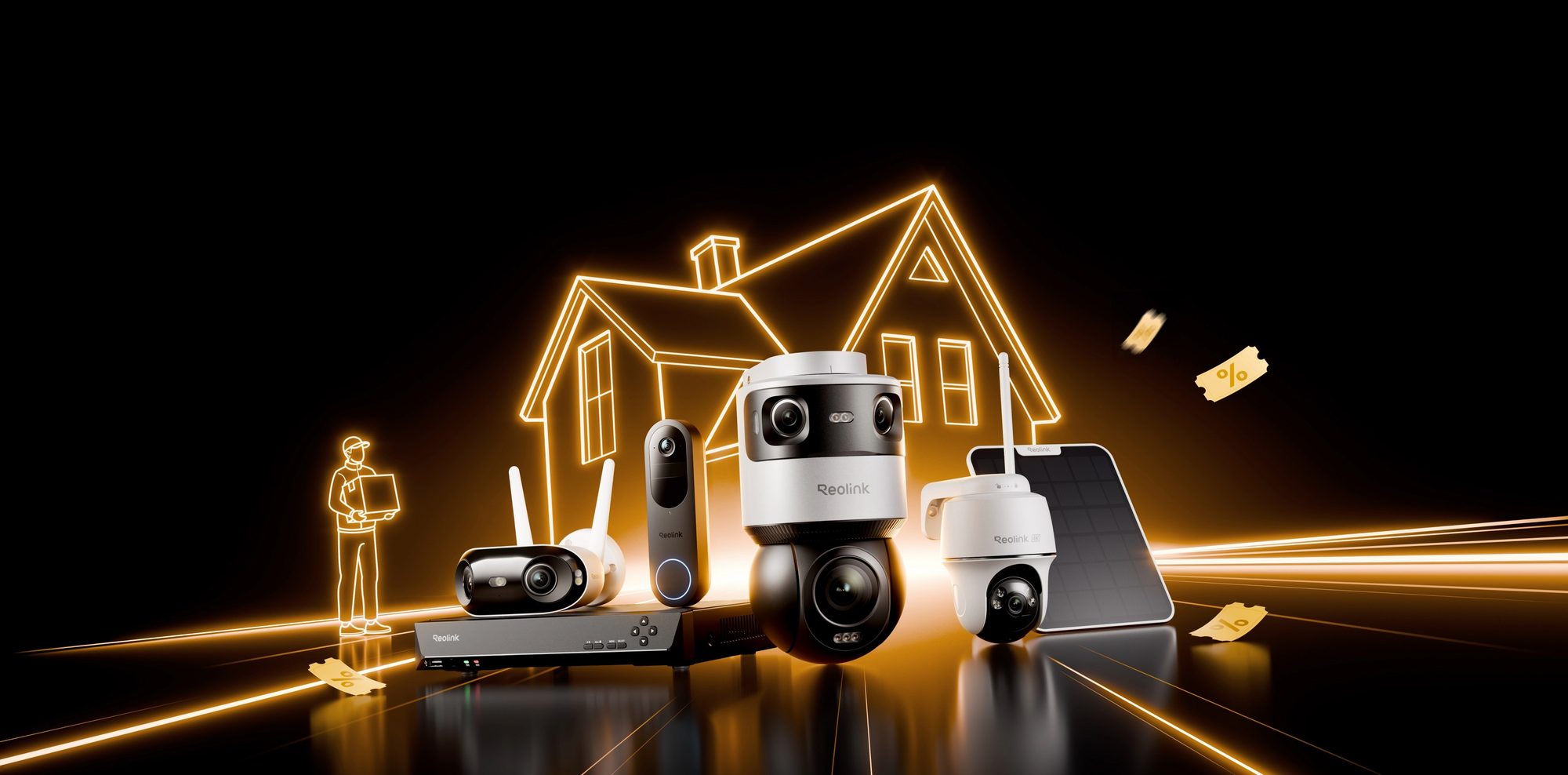
Wired systems built around PoE hardware record continuously since the cable removes any concern about draining a cell, which suits environments where gaps in footage are unacceptable. A retail floor or a warehouse loading dock often calls for exactly that kind of uninterrupted coverage.
Battery cameras, on the other hand, typically rely on motion-triggered recording to conserve charge. However, Reolink Digital Technology‘s Altas series is designed with higher-capacity batteries that support pre-recording, capturing a short buffer of footage just before a motion event. This narrows the historical gap between the two approaches, though continuous, always-on recording still remains the clearer strength of PoE hardware.
Coverage and Pan-Tilt Capabilities Across Product Lines
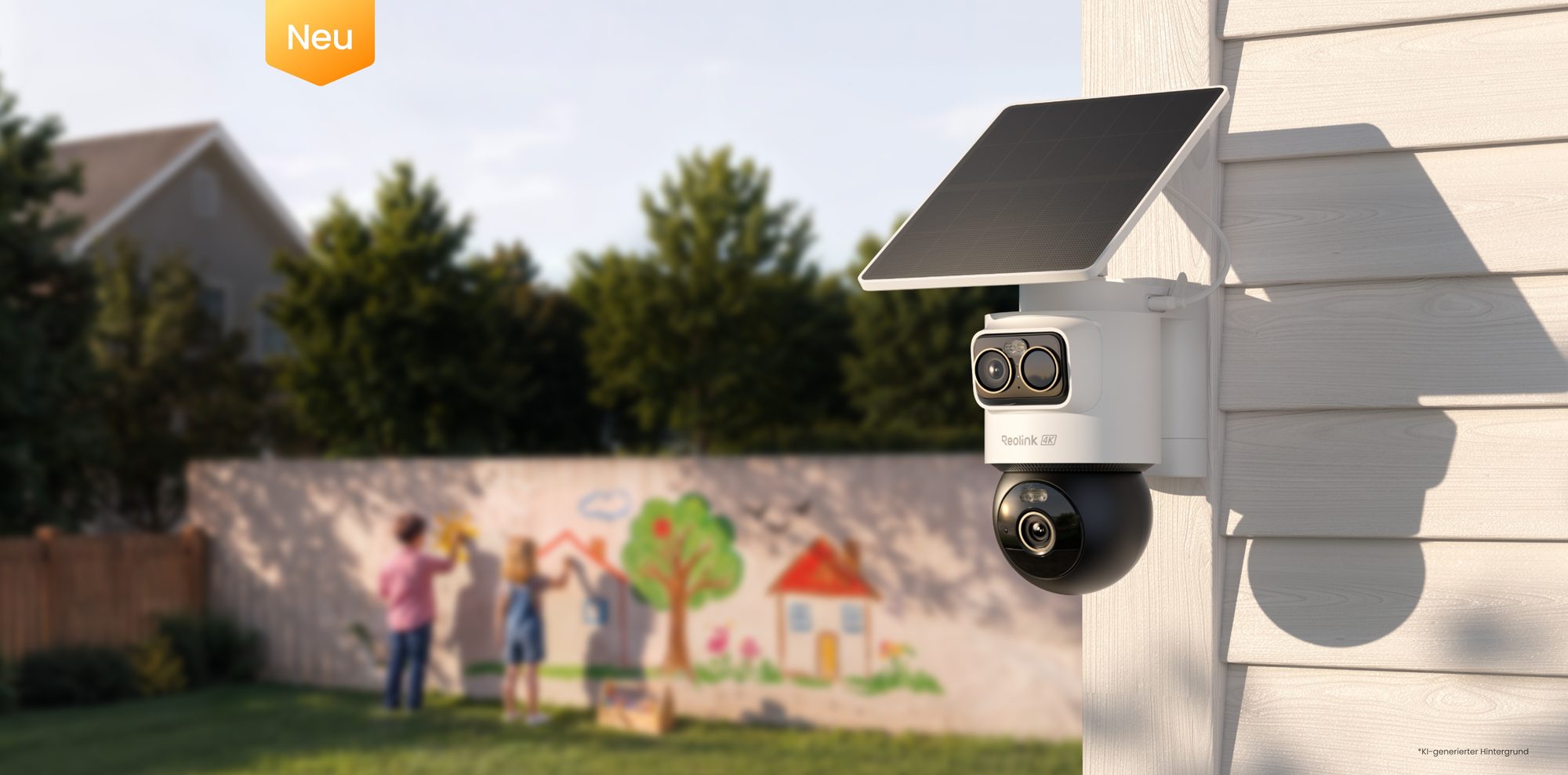
Both power types include pan-tilt models designed for wider coverage rather than a single fixed angle. The OMVI 2i Ultra, a wireless dual-lens bullet-PTZ camera, is built for wider coverage and all-around tracking. The OMVI 3i PoE pairs an 18MP triple-lens design with a panoramic pan-tilt body for similarly broad coverage over a wired connection.
Dual-lens designs extend the field of view further still. The Duo 3 WiFi and Duo 3 PoE both use twin lenses to widen the visible area, while the TrackMix WiFi brings a dual-lens Wi-Fi 6 PTZ design for wire-free use. The TrackMix LTE variant adds auto tracking with a cellular connection, extending coverage logic beyond a home network entirely.
Maintenance, Durability, and System Scalability

Wired systems built around PoE switches scale by adding ports or expanding a switch, which keeps a growing camera count on one coherent network. PoE kits, including the RLK8-800TM4, are built with this kind of expansion in mind, suiting locations with several fixed points to cover.
Battery systems scale differently, since each new unit joins through its own wireless pairing rather than a wired port. The Home Hub with Argus PT Ultra packages a hub alongside battery pan-tilt cameras specifically to simplify managing several wireless units as one system. Durability also varies by model, with weather resistance ratings such as IP64 noted for certain outdoor-rated cameras in the broader range.
- PoE cameras receive uninterrupted power through the Ethernet cable, removing any need for battery charging or replacement.
- Battery cameras require only a wireless or cellular signal, so placement is not limited by existing cable runs.
- Continuous recording suits PoE systems, while most battery cameras rely on motion-triggered capture to manage power use.
- Installation for PoE systems typically involves running cable, whereas battery cameras mount with comparatively simple wireless setup.
- Fixed, high-traffic locations such as entrances or loading docks tend to favor PoE’s constant power delivery.
- Remote or hard-to-wire spots, such as a shed or a gate, tend to favor the independent placement that battery cameras allow.
Neither wired nor wireless surveillance is a universal answer, since each addresses a different practical constraint. What the PoE vs battery security cameras comparison really highlights is that the right power source follows the location and the recording habits needed there, not the other way around.