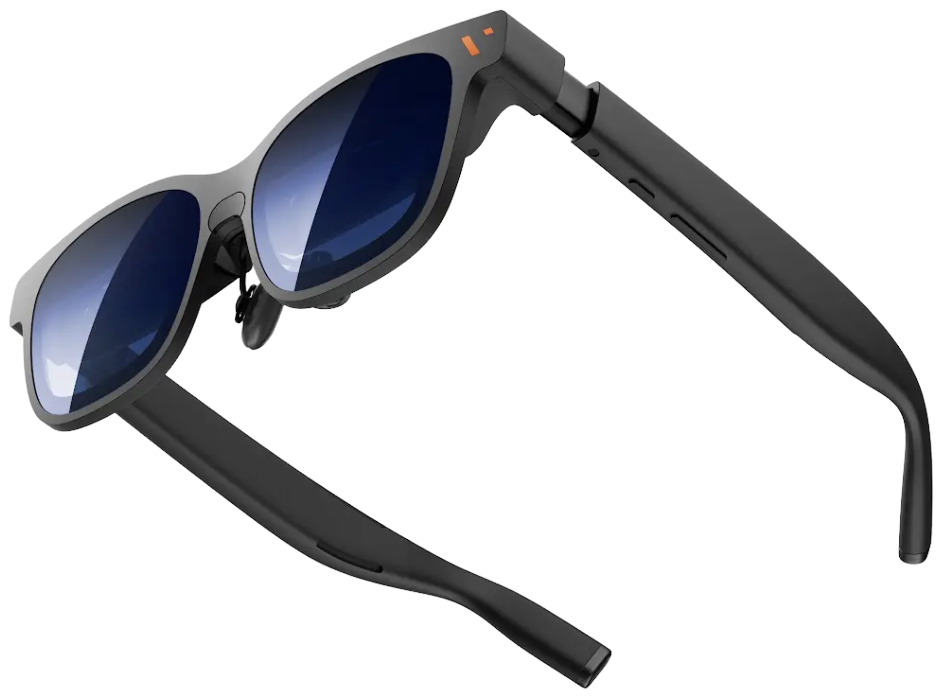
Picking among the current VITURE XR glasses models means weighing display brightness, field of view, and how portable each set needs to be. The lineup spans an accessible option through a flagship built for bigger screens, plus two AR-first glasses aimed at different everyday uses. Comparing specifications side by side makes the differences between these VITURE XR glasses models, and the overlaps, much easier to see.
VITURE Pro 2: UltraClarity 3.0 and Budget-Friendly XR
VITURE Pro 2 is positioned as the classic model, refreshed with what the brand calls UltraClarity 3.0. The company describes it as sharper than previous versions, aimed at buyers who want a dependable virtual screen without paying for the largest display size. It sits at the accessible end of the Models, built for everyday viewing and portable gaming.
Because it is positioned as the budget-friendly entry in the range, Pro 2 pairs well with mobile handhelds and laptops for those who mainly want a private screen on the move. The brand’s own materials frame it as the pick for a sharp picture paired with a straightforward setup that skips extra hardware.
VITURE Beast: Maximum Brightness and Screen Size
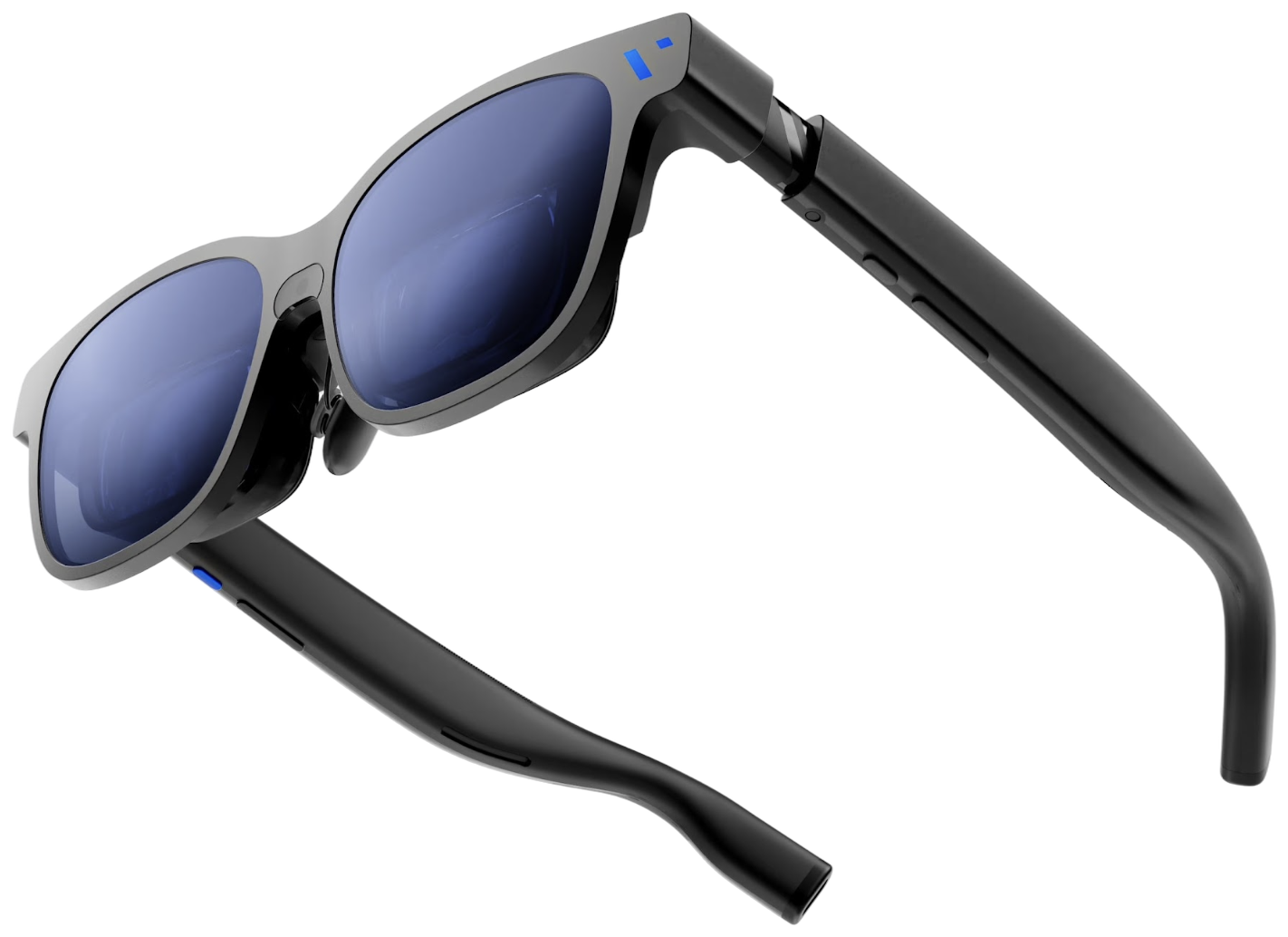
VITURE Beast is described on its own site as the biggest, brightest, and smartest model in the catalogue. It features a 58-degree field of view, a 1200p per-eye resolution, and a refresh rate of 120Hz. Brightness reaches 1,250 nits, and the glasses can project a virtual screen as large as 174 inches.
Beast also includes 3DoF head tracking, electrochromic dimming, and a weight of around 88 grams. The brand highlights it for gaming handhelds, consoles, and travel use, where a larger virtual screen matters more than compactness. Outlets including CNET, Tom’s Guide, PCMag, and WIRED have singled out the model for its display quality and overall feature set.
VITURE Luma Ultra and Luma Pro: AR-First Experiences
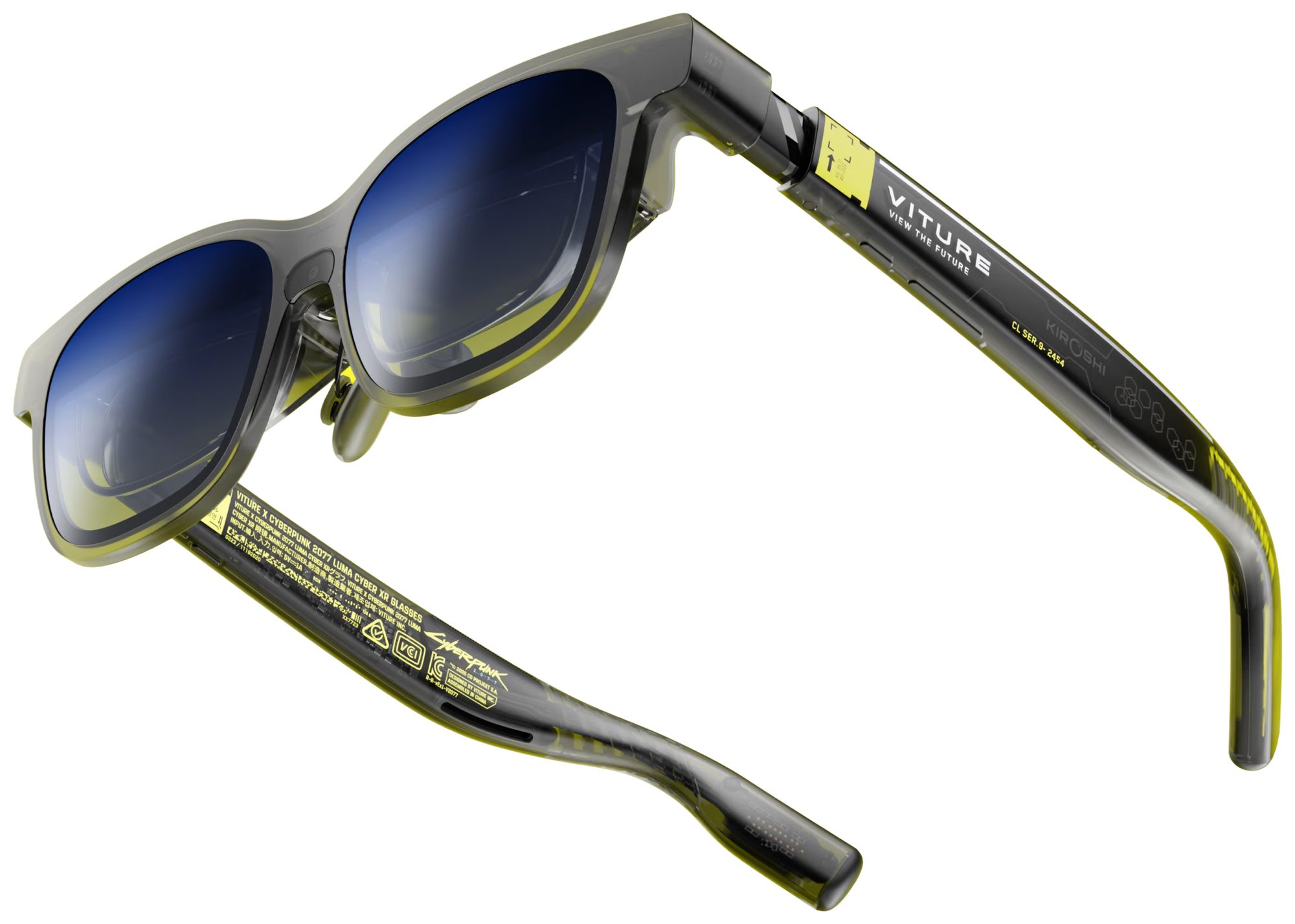
Beyond Pro 2 and Beast, the catalogue also includes Luma Ultra and Luma Pro, part of a newer generation built around augmented reality use. Luma Ultra is marketed as a true AR experience, suggesting a greater focus on blending digital content with the surrounding environment rather than purely private-screen viewing. Luma Pro is marketed with a more competitive, gaming-oriented tone, described as a way to illuminate performance during play.
A dedicated blog post groups Luma Pro, Luma Ultra, and a standard Luma model together with Beast, noting that no single glasses style fits every need. These four are framed as distinct choices built for different lifestyles and use cases, and that framing is the clearest way to separate the It XR glasses models from one another rather than treating them as a universal fit.
Display Technology and Optical Design Across Models
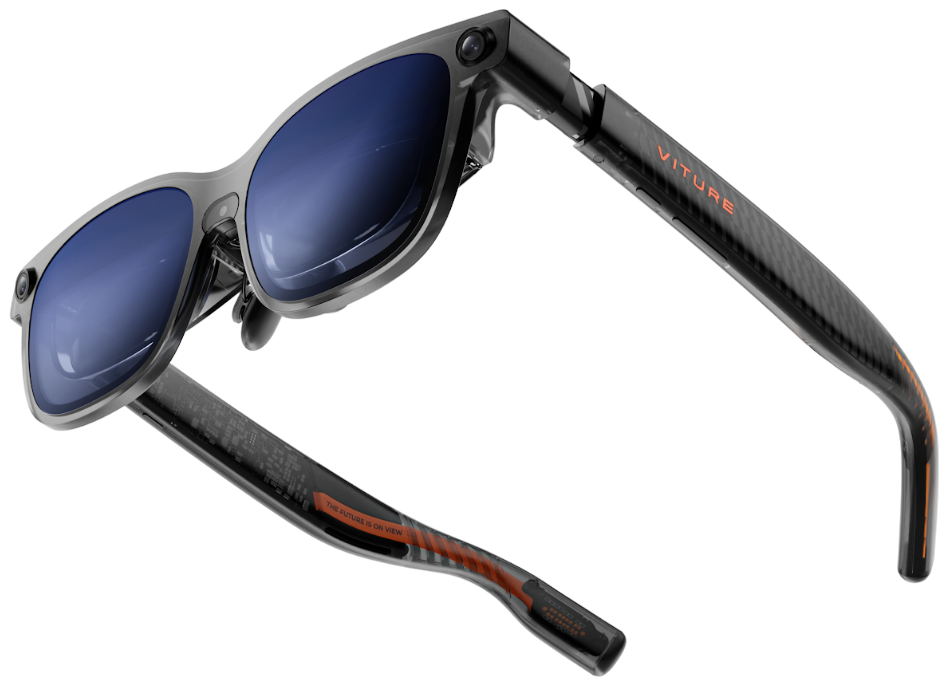
Across the range, the brand emphasizes optical engineering intended to avoid glare, reflections, and distortion, which it refers to as an optical breakthrough. Beast specifically is built around a Sony panel, which the brand credits for its brightness and clarity figures. This optical approach is one of the threads tying the different VITURE XR glasses models together even as their individual specifications diverge.
The catalogue also includes display behaviors like Ultrawide Mode, Full Screen Side Mode, Anchor Mode, and Smooth Follow, which relate to how the virtual screen behaves relative to head movement and physical space. These modes are described as working without additional software installed on a connected device. In addition, VITURE highlights spatial audio, describing the sound design as something that surrounds the wearer during playback.
Connectivity and Accessory Compatibility
VITURE sells a range of accessories designed to extend how the glasses connect to other devices, including USB-C charging adapters compatible with Pro 2, Beast, Luma Ultra, Luma Pro, and the standard Luma. This lets a connected phone or handheld charge while the glasses remain plugged in, rather than forcing a choice between power and continued viewing. A Mobile Dock Mini is also part of the catalogue, built to pair with the Nintendo Switch for more portable console gaming on the go.
The brand additionally offers a Pro Neckband accessory, described as a hands-free, wire-free companion built for use with Pro glasses. According to the brand’s own materials, the neckband app is billed as the first Google Play-certified device designed to be worn around the neck. That combination of glasses and neckband is pitched as a lightweight, cable-free setup for extended sessions.
Choosing by Use Case: Gaming, Productivity, or Portable AR
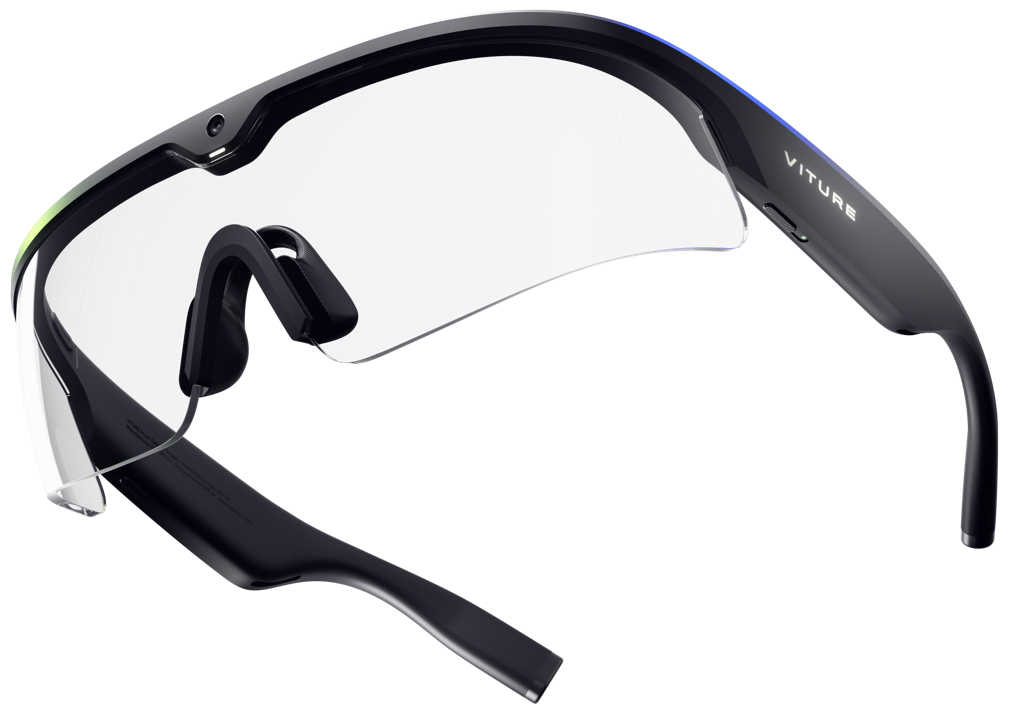
Beast leans toward gaming on handhelds and consoles, including stated support for Switch 2 and co-op screen sharing between two sets of glasses. Pro 2 suits lighter, everyday viewing and travel where a smaller footprint and lower cost matter more than maximum screen size.
Luma Ultra and Luma Pro, meanwhile, are framed around augmented reality and competitive gaming contexts respectively, rather than purely passive screen replacement. For productivity, the catalogue also describes a multi-display mode intended to support working across more than one virtual screen at once. These distinctions help explain why several distinct glasses lines exist instead of a single universal model.
- VITURE Pro 2 uses UltraClarity 3.0 display technology aimed at sharper everyday viewing.
- VITURE Beast delivers a 58-degree field of view, 1200p per eye, 120Hz refresh, and up to 1,250 nits of brightness.
- VITURE Beast can project a virtual screen as large as 174 inches and includes 3DoF tracking with electrochromic dimming.
- Luma Ultra is described as a true AR experience built for blended digital and physical viewing.
- Luma Pro is positioned around gaming performance within the newer Luma generation.
- USB-C charging adapters and a Mobile Dock Mini extend compatibility across the glasses lineup.
- A Pro Neckband accessory offers a hands-free, wire-free companion for the Pro glasses.
Taken together, the current generation of VITURE XR glasses models shows a range split by purpose rather than by a single scale of quality. Display technology here keeps expanding beyond simple screen replacement.