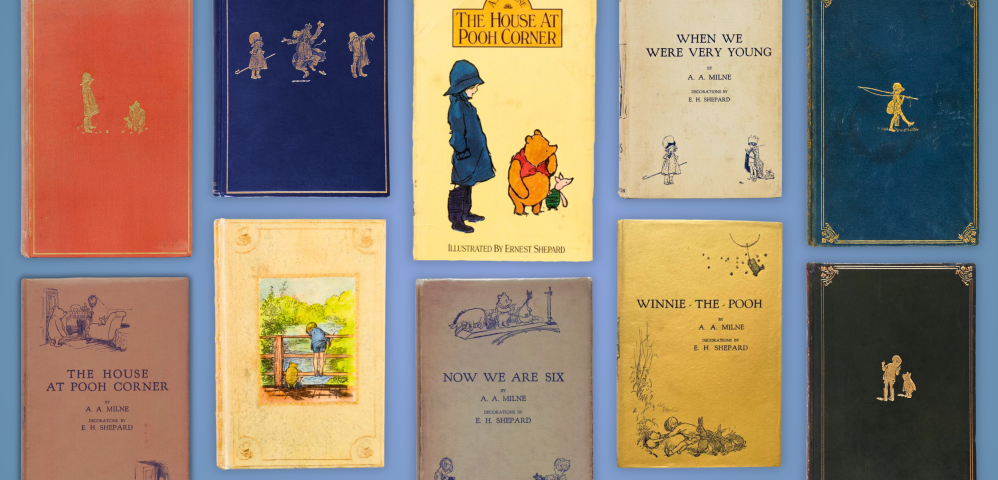
Rare children’s books occupy a peculiar corner of the collecting world, where a battered picture book can outshine a pristine first edition of an adult novel. AbeBooks brings together independent booksellers from around the globe who specialize in exactly this niche, offering first editions, illustrated treasures, and long out-of-print titles for young readers. For collectors and parents alike, finding rare children’s books through a single marketplace rather than dozens of scattered shops simplifies the hunt considerably.
What Makes Children’s Books Rare and Valuable
A children’s book becomes valuable when the edition and condition both align, not simply because a title is old. AbeBooks notes that its catalog includes some of the world’s most valuable children’s books, and that pricing depends heavily on whether a copy is the correct printing in the right state of preservation. A worn dust jacket, a missing page, or a later reprint can separate an ordinary used copy from something sought after by serious collectors.
Beyond edition and condition, scarcity plays its part. Children’s books were often read, handled, and discarded rather than shelved carefully, so surviving copies in good shape are naturally fewer. That combination of low survival rates and continued demand is part of why certain titles command attention among collectors browsing AbeBooks.
Children’s Illustrated Books and First Editions in AbeBooks’ Catalog
Illustration sits at the heart of children’s publishing, and AbeBooks curates a dedicated selection built around it. One featured seller catalog, Children’s Illustrated, curated by Bow Windows Bookshop, focuses specifically on first editions and illustrated treasures for this category. That kind of specialist curation gives collectors a starting point when searching for a particular artist or printing.
Alongside that catalog, the wider site lists 40 influential illustrated books, a roundup spanning botanical works and beloved picture books that explicitly places Golden Age pioneers next to world-famous artists working today. These curated lists sit alongside the open marketplace, where sellers list everything from recent illustrated reprints to decades-old first printings.
Discovering Out-of-Print and Vintage Children’s Titles
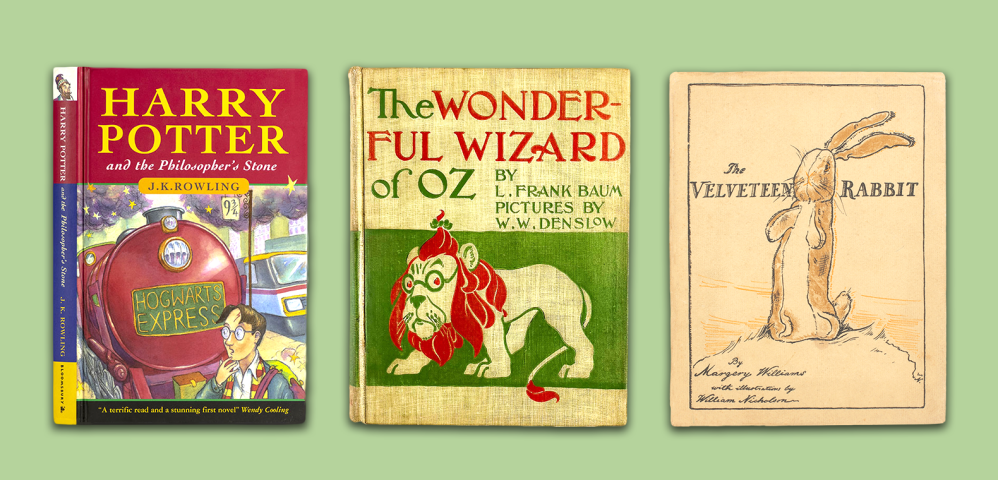
Many children’s classics fall out of print long before new generations discover them, leaving secondhand and rare book marketplaces as the main route back to the original editions. AbeBooks lists forgotten out-of-print titles from years gone by, drawn from thousands of independent sellers located in more than 50 countries. That international spread matters for vintage children’s titles, since regional publishers often produced editions that never circulated widely elsewhere.
Searching by title alone sometimes returns a flood of later reprints, so collectors hunting a specific out-of-print printing often narrow results by publisher, year of publication, or binding details. Because so many sellers list independently, the range of vintage condition and pricing on any one title can vary widely from copy to copy.
Golden Age Illustrated Children’s Classics
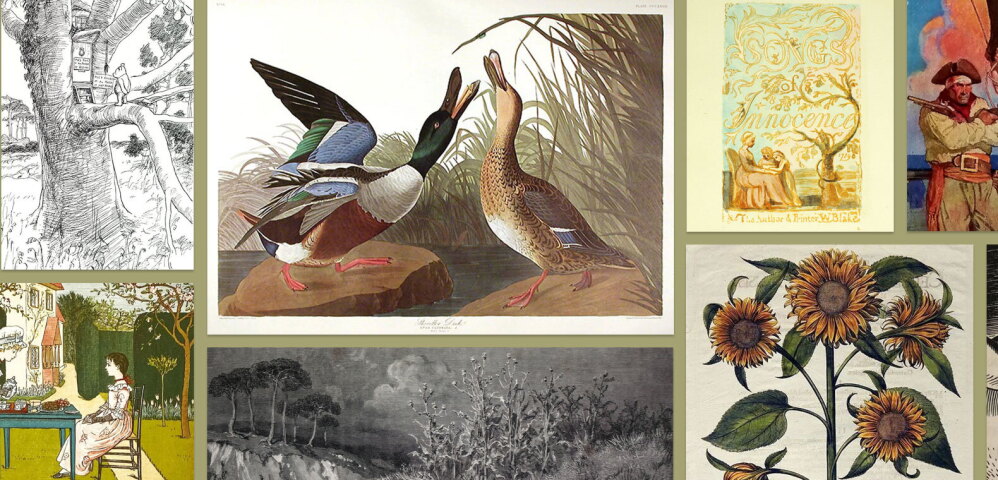
The phrase Golden Age typically refers to a period when illustrators brought picture books and fairy tale collections to a new level of artistry, and the site’s own curated lists reference these pioneers directly. For collectors, that framing highlights why certain illustrated editions carry weight beyond their text alone.
Classic illustrated works from this period often appear in both affordable later printings and scarce original editions, which is part of what keeps them circulating across so many bookseller listings. A single title might appear dozens of times across the marketplace, each copy differing in printing, binding, and illustrator’s edition.
Pop-Up and Movable Books for Collectors
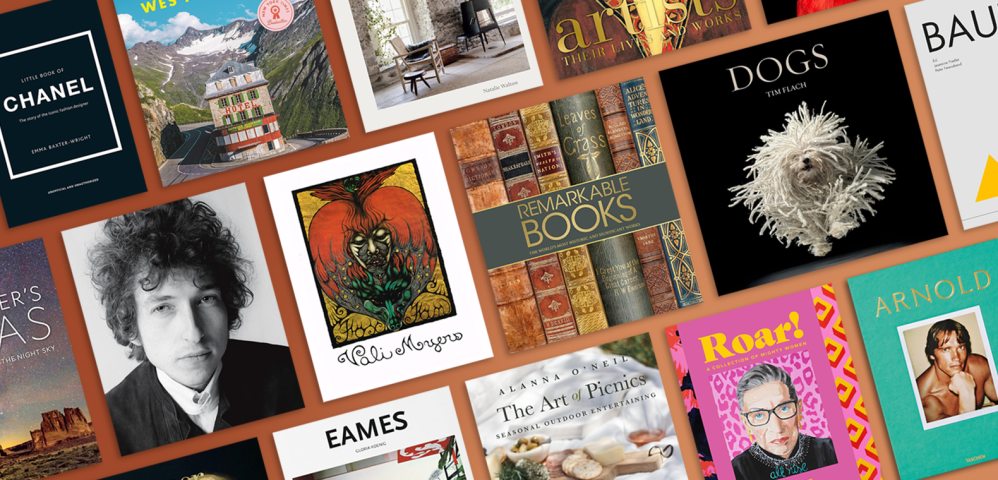
Movable books, with their pull-tabs, pop-up scenes, and folding panels, form a distinct and fragile category within children’s book collecting. Their mechanical parts make surviving copies in working order especially scarce, since tabs tear and folds weaken with repeated use. The broader art and collectibles side of the site spans ephemera, prints, and paper-based collectibles that share the same fragility concerns as movable books.
Collectors drawn to this format often treat condition as the deciding factor, since a pop-up book missing its mechanism loses much of what made it desirable in the first place. That emphasis on physical completeness runs throughout the rare and collectible book trade more broadly.
Building a Children’s Book Collection Through AbeBooks
Assembling a themed collection, whether centered on one illustrator, one publisher, or one beloved series, benefits from access to a wide and varied pool of sellers. AbeBooks draws on independent booksellers across dozens of countries, which means a single search can surface copies that would otherwise require contacting shops individually. Collectors building out a shelf of rare children’s books often rely on this kind of breadth to track down specific printings.
The site’s curated lists, such as 100 years of Winnie-the-Pooh and the roundup of the world’s most valuable children’s books, also give newer collectors a sense of what separates an ordinary copy from one worth seeking out. These resources sit alongside the open marketplace rather than replacing it, offering context for anyone narrowing a search.
- First editions of beloved children’s titles, often distinguished by specific printings and publisher details.
- Signed or inscribed copies, where an author’s or illustrator’s signature adds to a book’s distinction.
- Illustrated editions featuring work from well-known artists, including pieces tied to the Golden Age of illustration.
- Vintage and out-of-print titles no longer available through standard retail channels.
- Movable and pop-up books, prized for their mechanical features and complete, undamaged parts.
Rare children’s books rarely stay rare in the same way for long, as demand shifts and certain illustrators or series fall in and out of favor. What stays constant is the appeal of tracking one down through a marketplace built on independent expertise rather than a single curated shelf.