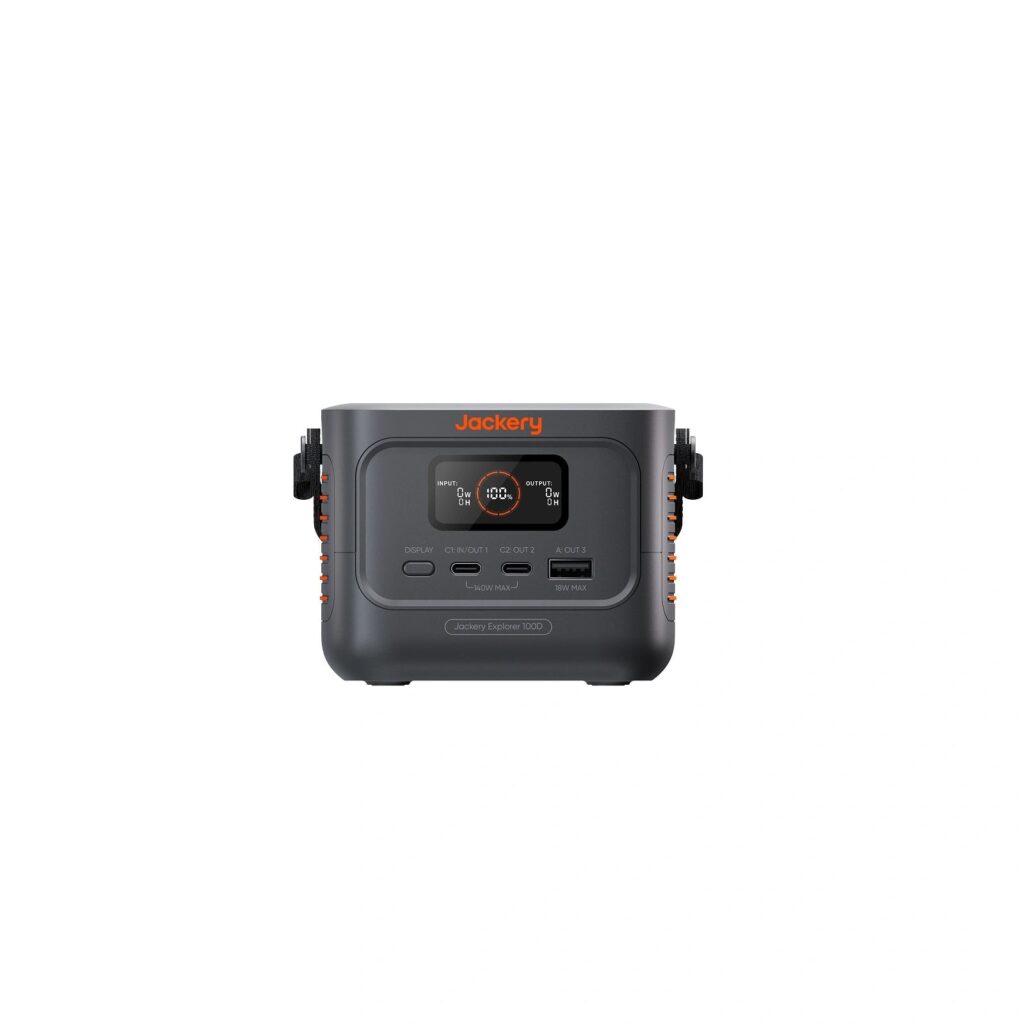
Power outages, road trips, and off-grid living all raise the same question: where does electricity come from when a wall outlet is not an option? Solar generators and portable power stations have become a common answer, pairing rechargeable battery packs with inverters that turn stored energy into usable household current. jackery is one of the more visible names in this category, with a product spread covering small portable units and large home backup systems. This article walks through how these devices work, what the specification sheets actually mean, and where the lineup sits within the broader portable power market.
What Solar Generators and Portable Power Stations Do
A portable power station is essentially a battery pack built into a case, with outlets on the outside. It stores electricity and releases it on demand, powering anything from a phone to a refrigerator depending on its size. A solar generator is the same kind of unit paired with solar panels, so the battery can be refilled from sunlight instead of only from a wall socket.
Solar generators and portable power stations together serve as a flexible bridge between the electrical grid and situations where no grid connection exists, whether that means a campsite, a job site, or a home during a blackout, and this shared role is why the two terms are so often used interchangeably. These devices are marketed under both terms, depending on whether solar panels are bundled in or sold separately.
Battery Capacity and Power Output: How to Read the Specifications
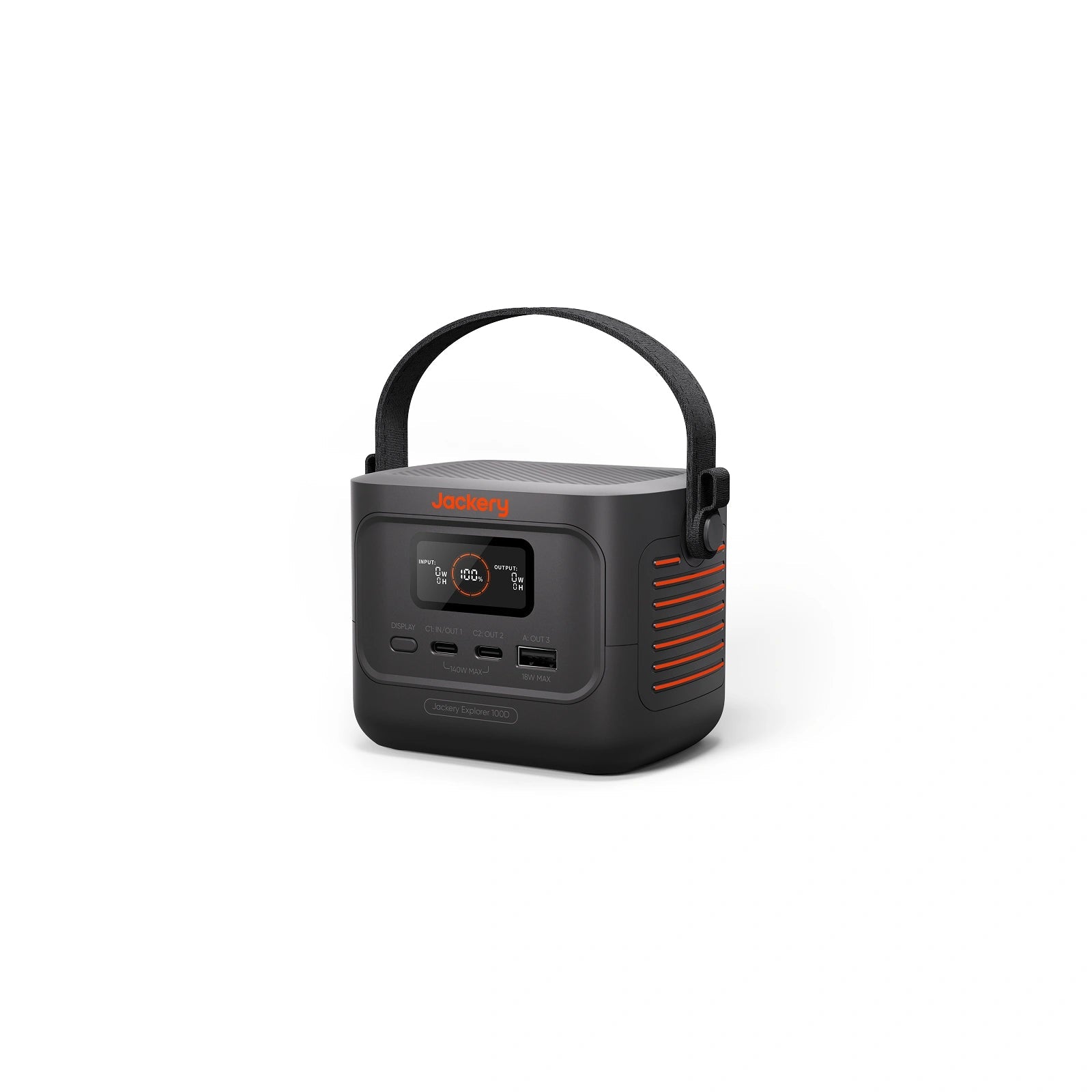
Two numbers matter most on any spec sheet, capacity and output. Capacity, measured in watt-hours (Wh), describes how much energy a unit can store, while output, measured in watts (W), describes how much power it can deliver at once. A unit with high output but low capacity can run a demanding tool briefly but will not last through an extended outage.
jackery‘s range illustrates this spread clearly. The Explorer 300 v2 carries a 288Wh capacity with 300W output, suited to small electronics, while the HomePower 3000 steps up to 3072Wh capacity and 3600W output. At the top of the catalog, the Solar Generator 5000 Plus reaches 5040Wh capacity with 7200W rated power, supports both 120V and 240V circuits, and lists a surge rating of up to 14,400W for brief power spikes. Reading capacity and output together, rather than just one figure, gives a clearer sense of what a unit can actually run.
Jackery’s Explorer and HomePower Product Lines
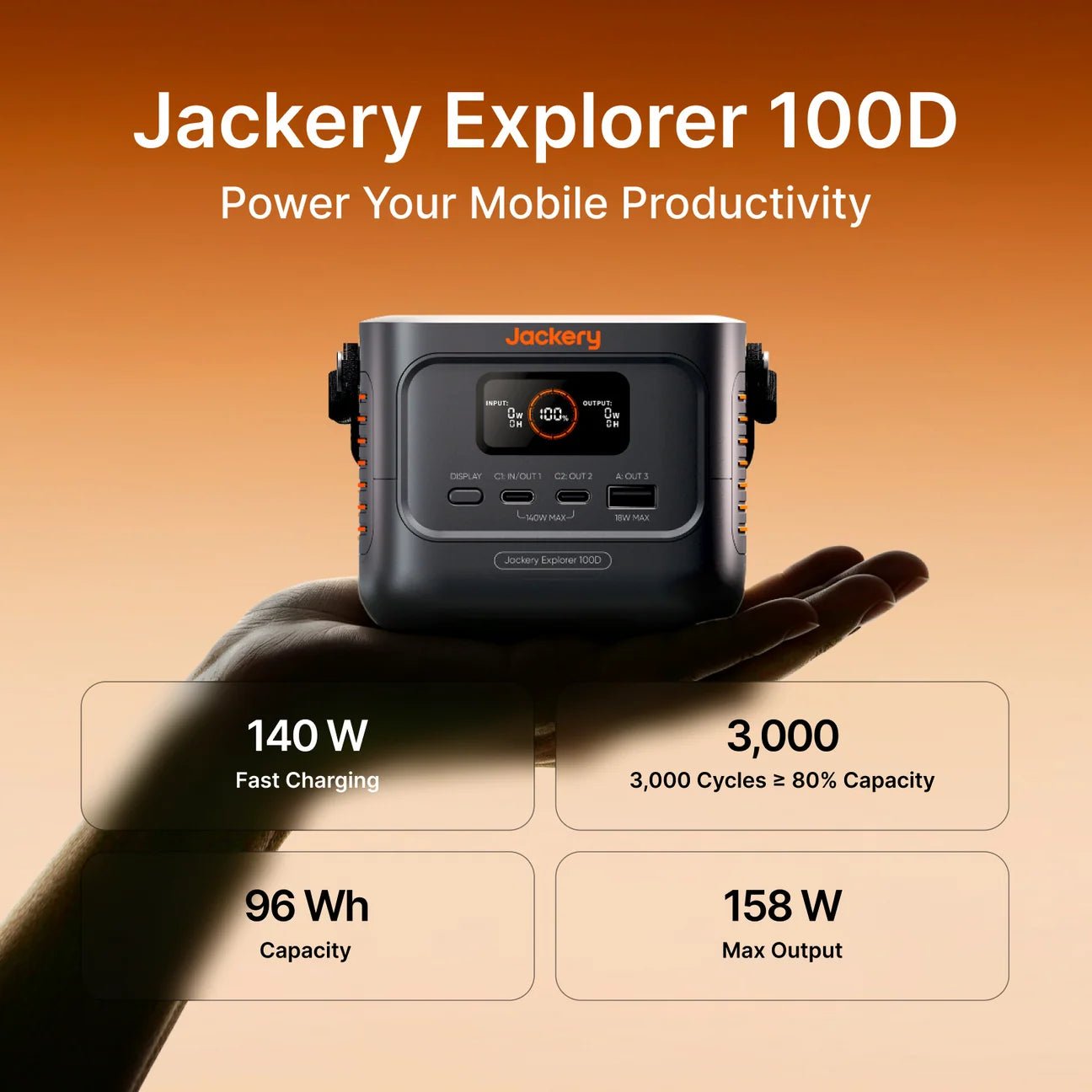
The brand organizes most of its catalog into two parallel lines, Explorer and HomePower, which largely mirror each other in capacity and output. The Explorer line includes compact models such as the Explorer 100D at 96Wh and the Explorer 300 at 293Wh, alongside larger units like the Explorer 2000 v2 at 2042Wh. A refurbished Explorer 2000 Plus also appears in the lineup, offering the same 2042Wh capacity as an alternative to a new unit.
The HomePower line covers similar capacity points, including the HomePower 1000 v2, HomePower 2000 Plus v2, HomePower 3000, and HomePower 3600 Plus, generally positioned toward home backup use. Some models also appear in specific editions, such as the HomePower 3600 Plus Red Cross Edition and HomePower 2000 Plus v2 Red Cross Edition. There is also a dedicated FridgeGuard 1024Wh unit, aimed at a narrower use case than the general-purpose lines, and several HomePower Plus models note expandable capacity for connecting additional battery packs.
Charging Methods: Solar Panels, Wall Outlets, and Car Ports
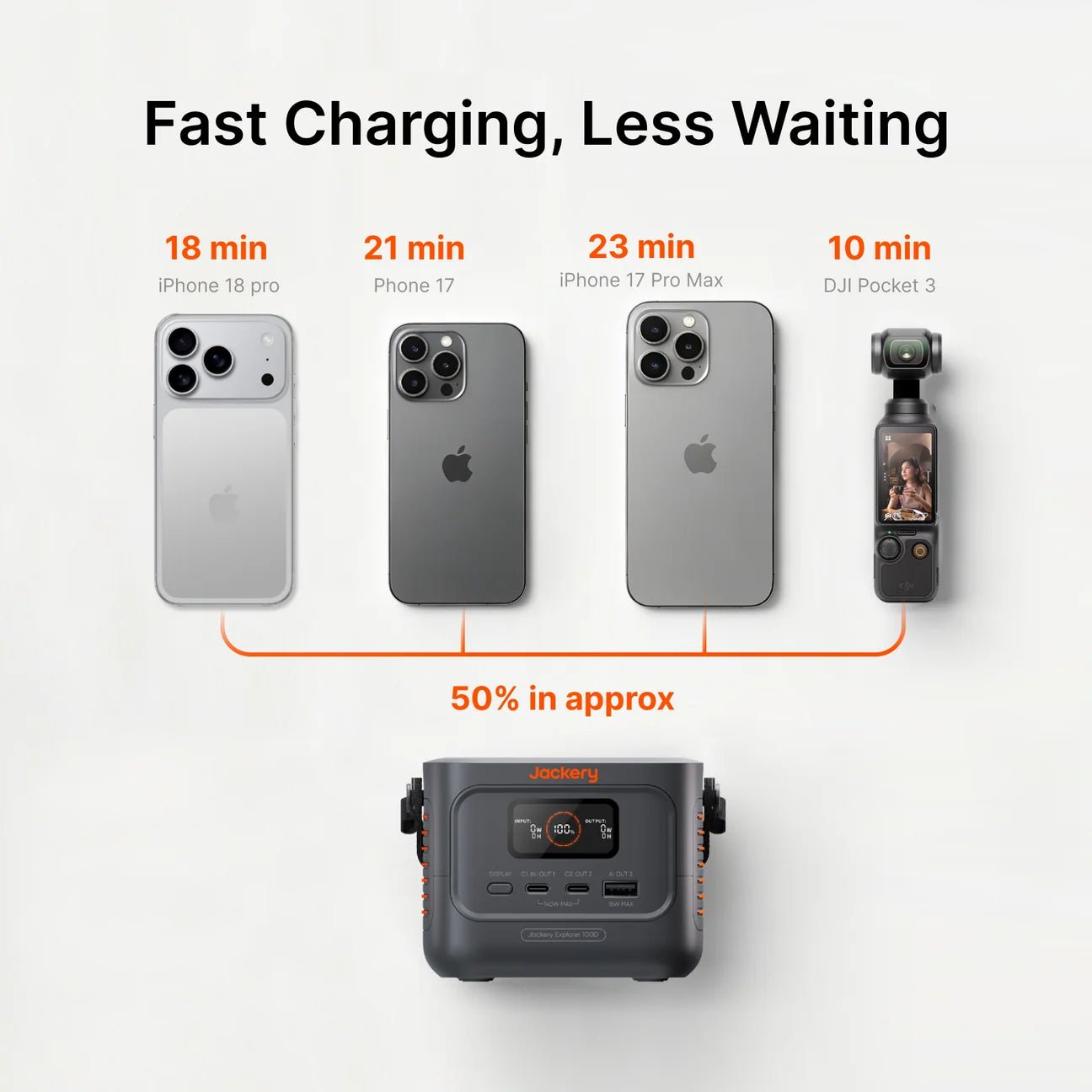
Portable power stations typically support more than one charging method, and the units in this lineup follow that pattern. Charging options across the lineup include standard wall outlets, car ports for charging while driving, and compatible solar panels for off-grid recharging. Some models highlight fast charging specifications, such as the Explorer 1000 v2’s emergency charge time of 50mins or the Explorer 2000 v2’s stated 1.3 hrs emergency charge.
The HomePower 1000 v2 also lists dual 100W USB-C and USB-A charging ports on the output side, in addition to its AC output. Having multiple charging paths matters most in situations where only one source of power, such as sunlight or a car, happens to be available at a given time, and this flexibility is a large part of why solar generators and portable power stations are grouped together as one category rather than treated as separate products.
Applications: From Camping to Home Emergency Backup
Camping trips, remote job sites, and home blackouts each call for different things from a single category of device. Portable power stations and solar generators therefore span a wide range of sizes, from pocket-sized units meant to be carried in a backpack to larger systems wired into a household’s essential circuits.
Smaller Explorer units suit travel and outdoor use, where weight and portability matter more than raw capacity. Larger HomePower units are framed around home backup, with the HomePower 3000 described as capable of keeping essentials like a fridge, Wi-Fi, and lights running through extended outages. The Solar Generator 5000 Plus sits at the upper end of the lineup, built to run major home appliances during extended outages.
- Camping trips benefit from compact units like the Explorer 300 series, which keep lights, phones, and small coolers running without a vehicle nearby.
- Home power outages call for higher-capacity units such as the HomePower 3000 or HomePower 3600 Plus, positioned to keep refrigerators and networking equipment active for extended periods.
- Remote work setups can draw on a solar generator to keep a laptop and monitor powered where no reliable outlet exists.
- Vehicle-based travel can rely on car-port charging to top up a power station during transit rather than waiting for a wall outlet.
- Appliance-heavy emergencies, such as extended outages affecting medical devices or freezers, point toward larger expandable units like the HomePower 2000 Plus v2 line.
LiFePO₄ Battery Technology and Durability in Jackery Systems
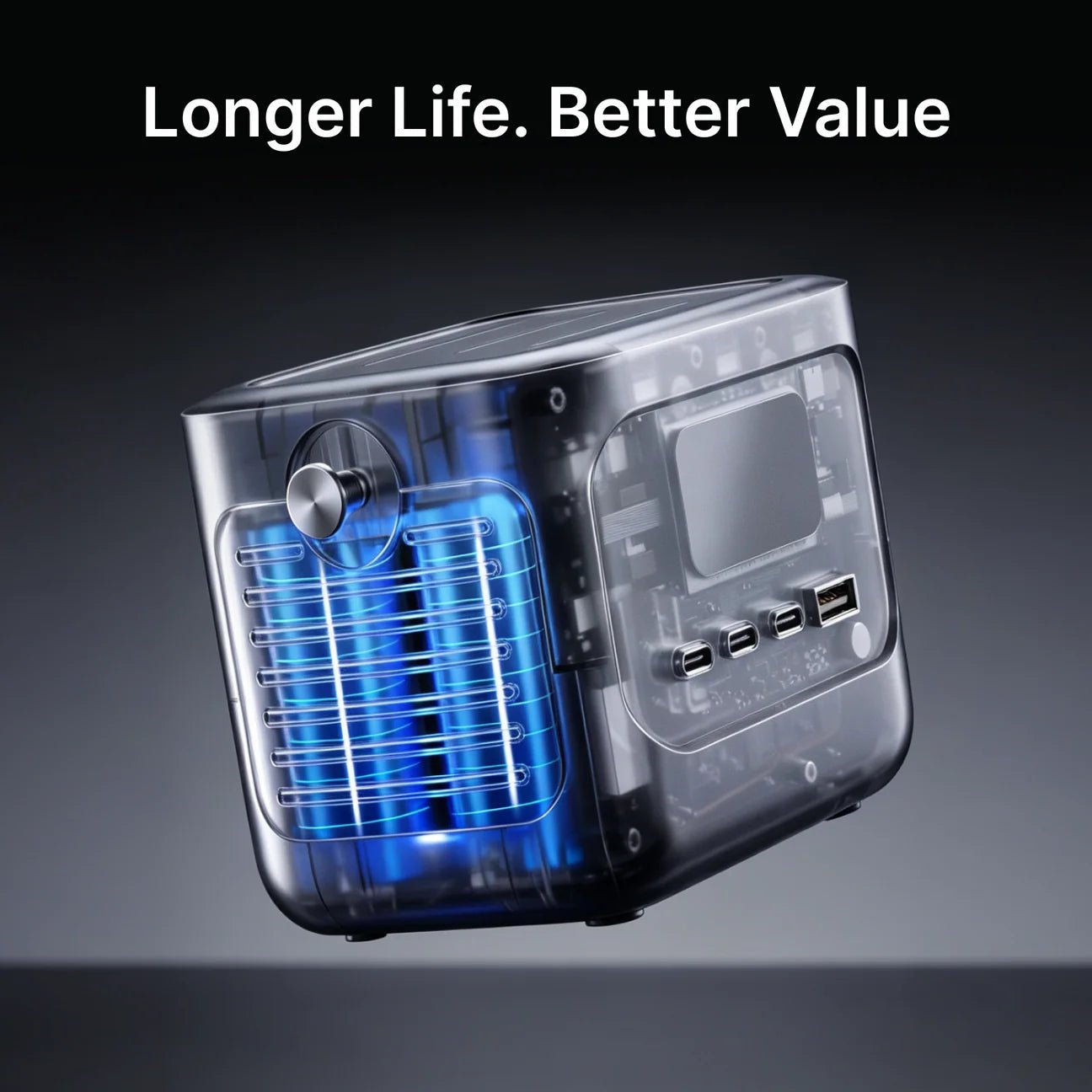
Many current models in the catalog, including the Solar Generator 1000 Plus and Explorer 1000 Plus, use LiFePO₄ (lithium iron phosphate) battery cells rather than older lithium-ion chemistries. The Explorer 300 product listing states that its newer version delivers 4,000+ charge cycles. The Explorer 100D listing separately notes up to 8 years of use with at least 80% capacity retained after 3,000 cycles for that particular model.
ChargeShield technology is referenced on select models, including the HomePower 3000 and HomePower 1000 v2, tied to a stated 5-year warranty on those units, with the HomePower 3000 listing 10+ years of use under that technology. These figures vary by model, so cycle counts and warranty terms should be checked against the specific unit rather than assumed across the whole catalog.
The spread of capacities, charging methods, and battery chemistries explains why these devices now cover such different situations, from a weekend campsite to a multi-day outage at home.