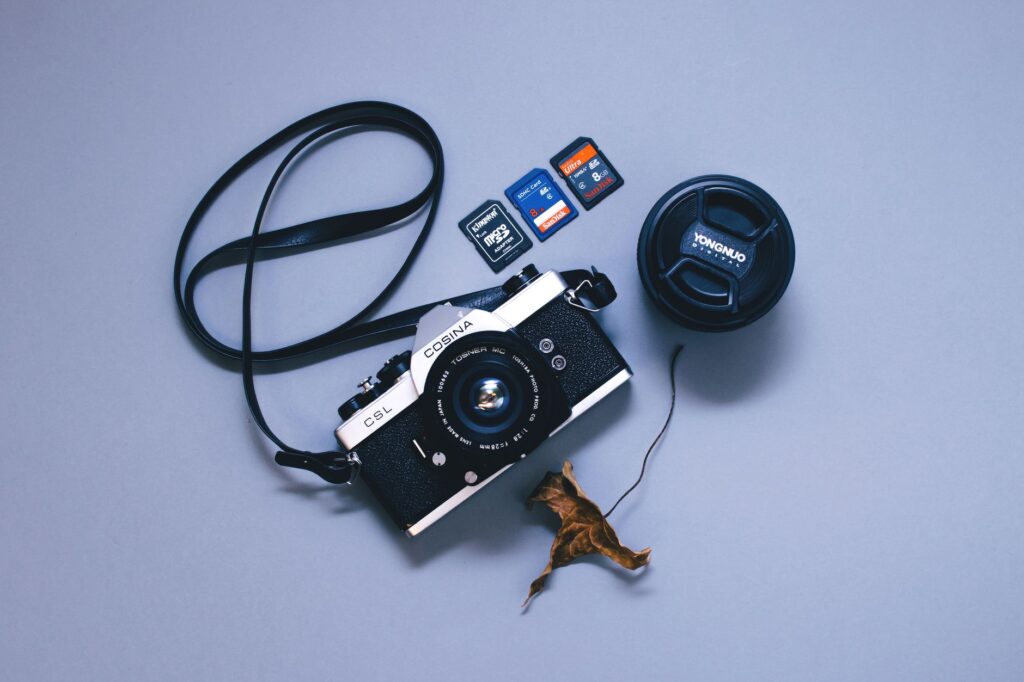
The decision to invest in a digital camera marks a significant step in your creative journey. Whether you’re driven by wanderlust, artistic ambition or simply a desire to capture life’s moments with greater precision, selecting the right camera requires understanding both technology and your personal needs. The modern camera market offers unprecedented choices across price points, capabilities and philosophies, making informed decision-making more important than ever.
Understanding Camera Types and Their Purpose
Digital cameras come in several fundamental categories, each designed for different use cases and user profiles. DSLR cameras dominated professional and enthusiast photography for decades, using mirrors to reflect light from the lens into an optical viewfinder. Mirrorless cameras have emerged as the modern alternative, eliminating the mirror mechanism to offer lighter bodies, faster autofocus and superior video capabilities. Point-and-shoot cameras prioritize simplicity and portability, though smartphone integration has diminished their prominence. Retailers like Adorama stock an impressive variety across all categories, helping photographers find the right form factor for their workflow. Understanding these distinctions helps narrow your search and avoid purchasing features you’ll never use.
Sensor Size and Image Quality
The camera sensor is the digital equivalent of film, converting light into image data. Sensor size fundamentally affects image quality, with larger sensors capturing more light and producing superior detail. Full-frame sensors (36x24mm) represent the largest common format, capturing exceptional detail and performing admirably in low light. APS-C sensors (23x15mm) provide an excellent balance between capability and cost, making them ideal for enthusiasts. Micro Four Thirds sensors are smaller still, though they produce excellent results in good lighting and benefit from a mature lens ecosystem. Adorama carries cameras across all sensor formats, ensuring you can make comparisons and find the best option for your specific photography style.
Megapixel Count and Resolution Myths
One of the most persistent misconceptions in camera purchasing involves megapixel count. The number of megapixels indicates how many millions of pixels compose the sensor, directly influencing maximum print size and cropping flexibility. However, more megapixels don’t automatically translate to better image quality. A 24-megapixel full-frame sensor with excellent lens glass often produces superior results to a 48-megapixel camera with mediocre optics. Modern sensors offer sufficient resolution for most purposes; 20-30 megapixels suffices for everything except large format printing or extensive cropping. The sweet spot balances resolution with file sizes and processing speed, factors that accumulate across a shooting career.
Autofocus Performance and Tracking
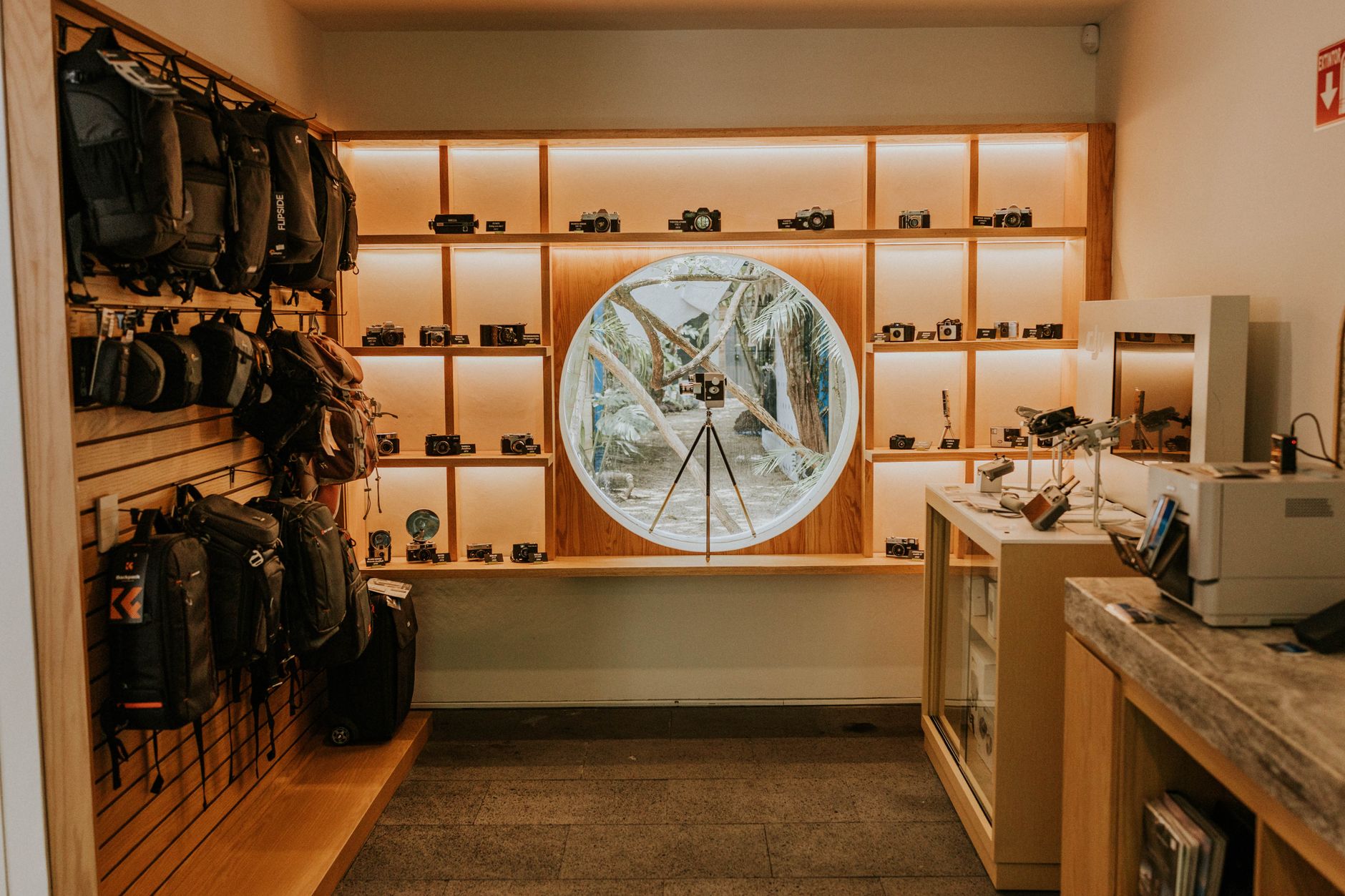
Autofocus technology has evolved dramatically, transforming what photographers can capture. Modern mirrorless cameras employ phase-detect autofocus across nearly the entire sensor, enabling precise focusing even on moving subjects. Advanced algorithms track faces and eyes with remarkable accuracy, liberating photographers to concentrate on composition rather than manual focusing. Cameras available through Adorama represent various autofocus philosophies, from traditional phase-detect systems to cutting-edge computational approaches. Testing autofocus in person, if possible, helps confirm whether a camera’s focusing behavior matches your shooting style and the subjects you plan to photograph.
Video Capabilities and Recording Specifications
Photography and videography increasingly blur together, with many photographers capturing video alongside stills. Modern cameras offer sophisticated video capabilities, from 4K resolution at high frame rates to professional color grading tools. Bitrate and codec choices affect file sizes and editing flexibility; higher bitrates preserve more detail but create massive files. Frame rates determine whether footage looks cinematic (24fps) or documentary-style (60fps). Audio inputs, stabilization options and autofocus during video recording add layers of consideration for anyone planning serious video work alongside photography.
Battery Life and Power Management
Battery technology fundamentally influences shooting experience, particularly during multi-day projects or travel. Modern cameras offer varying battery life, from several hundred to over 1,000 shots per charge. Mirrorless cameras generally consume more power than DSLRs due to constant sensor activity, though newer batteries have narrowed this gap. Cold temperatures significantly reduce battery performance, making backup batteries essential for winter photography. Adorama stocks replacement batteries and offers guidance on power solutions for photographers planning extended shoots.
Lens Ecosystem and Availability
Your camera body matters less than the lenses you attach to it. The lens determines everything from focal length to optical quality to overall image aesthetic
- Evaluate the availability of lenses for your chosen system across your price range.
- Consider whether you prefer premium native lenses or third-party alternatives for cost savings.
- Research autofocus compatibility and any gimbal/stabilization features.
- Factor in legacy lens support if you plan to use older glass.
- Assess rental availability locally, as borrowing expensive specialized lenses is more economical than purchasing.
Making Your Final Decision
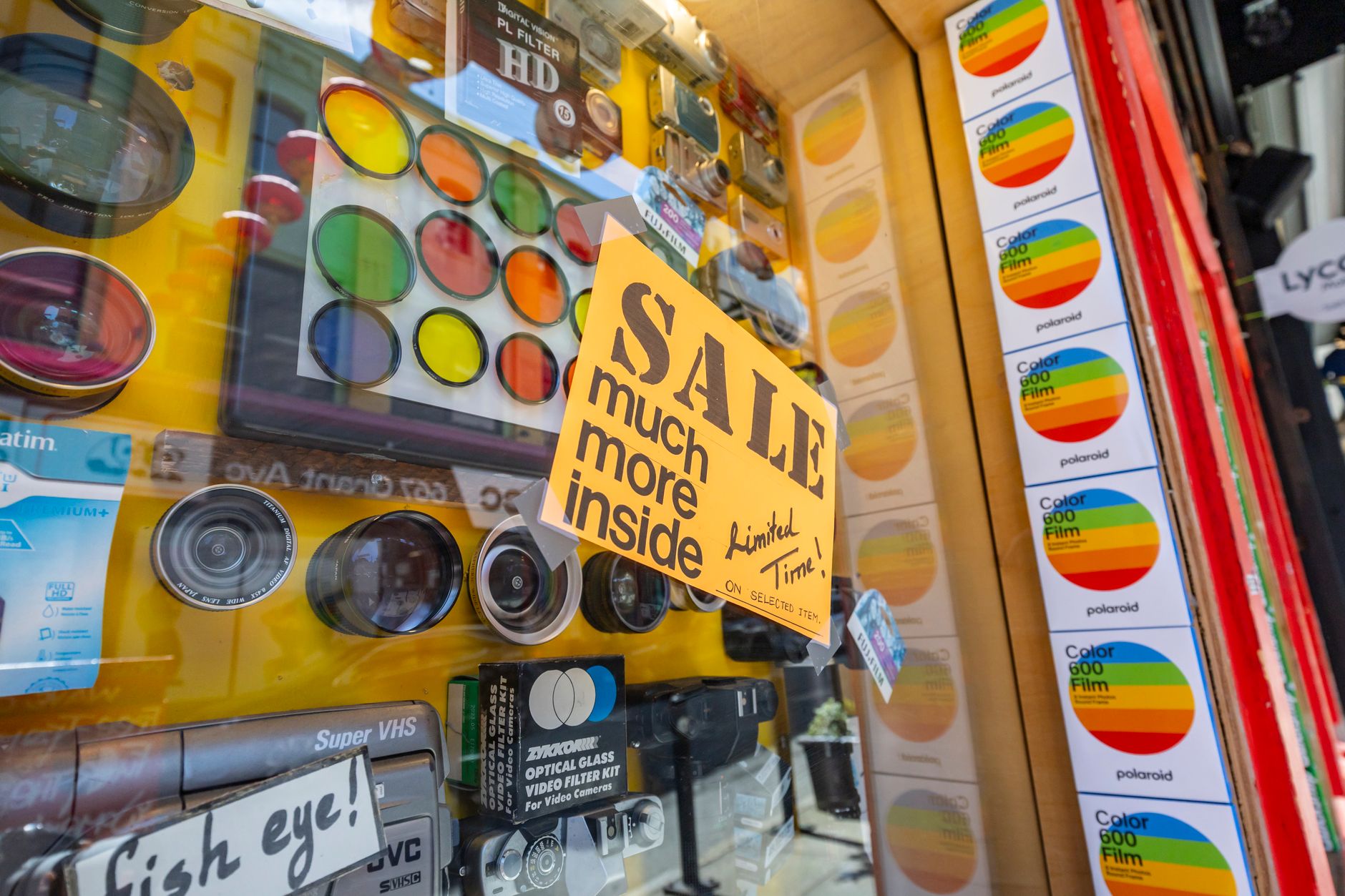
Selecting a camera ultimately depends on your specific needs, budget and creative vision. Retailers like Adorama provide hands-on experience and expert consultation, helping you navigate this complex decision. Take time to hold different cameras, test their ergonomics and review real-world samples. The best camera is the one you’ll actually use, not necessarily the one with the most impressive specifications.
Your camera investment opens doors to creative expression and visual storytelling. Choose thoughtfully, understand your needs and embrace the learning process that follows. The technology matters, but passion and vision matter far more.